Sep 14, 2026Buying Guides
Scalp Microbiome-Friendly Hair Care OEM: Gentle Cleansing and Claim-Safe Positioning
An OEM guide to microbiome-friendly scalp-care positioning, covering gentle cleansing, serum formats, testing, packaging, claims and compliance.
Scalp wellness continues to influence hair-care development, and some buyers now request “microbiome-friendly” concepts. This phrase can support a modern, gentle-care story, but it should not be treated as automatic proof that a product changes the scalp microbiome. The safer OEM route begins with clear cosmetic needs, appropriate testing and careful claim language.
What Buyers Mean by Microbiome-Friendly Scalp Care
In many briefs, the term refers to mild cleansing, reduced tight-feeling after wash, comfortable daily use and barrier-conscious formula design. These are understandable consumer goals. A scientifically specific claim about balancing or protecting a microbiome requires a defined method and supporting evidence. Buyers should separate the formulation direction from the final marketing claim during early development.
Start With a Cosmetic Consumer Need
Choose one primary need: gentle daily cleansing, oily-looking root refresh, dry-feeling scalp comfort or lightweight hydration. Trying to combine dandruff treatment, hair-growth promises, oil control and sensitive-scalp positioning in one cosmetic can create regulatory and performance conflicts. A focused brief leads to clearer testing, packaging and consumer instructions.
Build a Simple Two-Step Routine
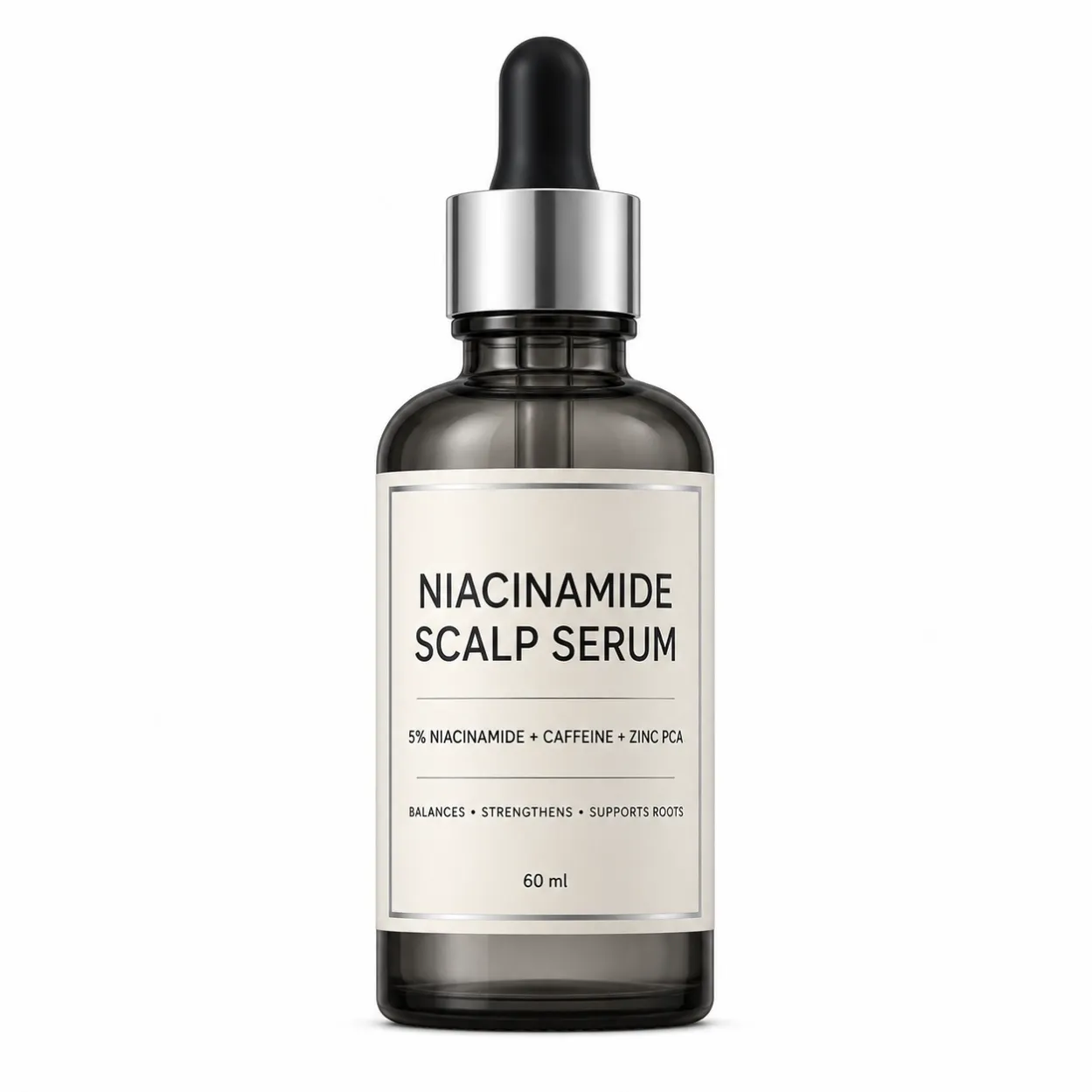
A practical range can pair a gentle shampoo with a non-oily scalp serum. The shampoo handles cleansing and rinse feel; the serum provides controlled leave-on application and a comfortable finish. Niacinamide, humectants and soothing-support ingredients may be evaluated within market limits and formula compatibility. Ingredient presence alone does not prove a clinical outcome, so claims must reflect finished-product evidence.
Testing the Cleansing and Serum Experience
For shampoo, assess foam, rinse, wet-hair friction and scalp feel under realistic water conditions. For serum, assess drop spread, drying time, residue, root appearance and compatibility with styling. Consumer or salon panels can record immediate comfort and repeated-use acceptance. Stability, packaging compatibility and microbiological quality remain basic requirements for both rinse-off and leave-on products.
Packaging for Scalp Application
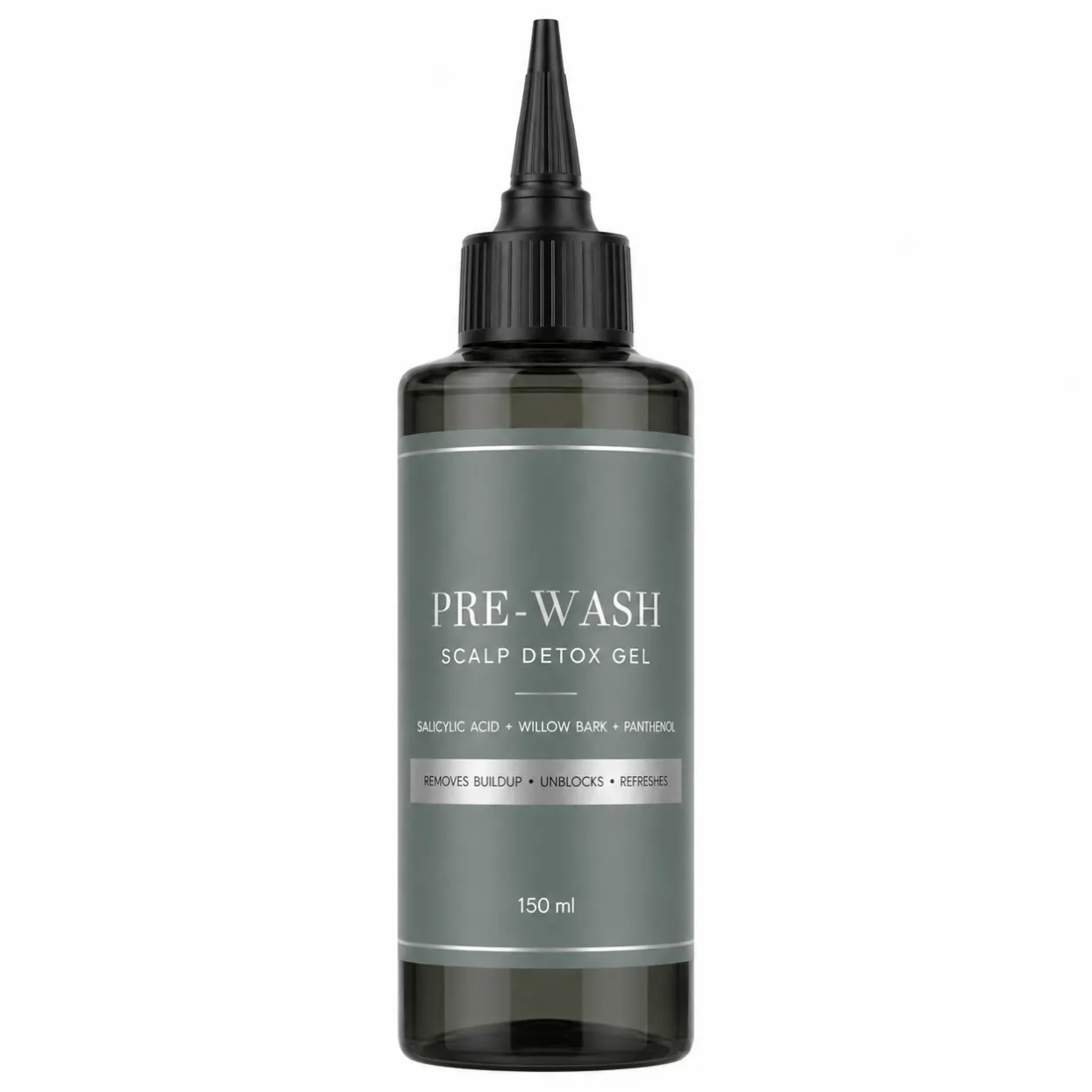
Precision nozzles, droppers and comb applicators each create a different user experience. A nozzle offers controlled lines between sections; a dropper supports premium skincare cues; a comb applicator may distribute quickly but needs thorough leakage and cleaning evaluation. For ecommerce, include transit testing and clear dose instructions. A 30ml to 60ml serum size is common for trial and repeat use.
Claim-Safe Communication
Safer wording may focus on gentle cleansing, lightweight hydration, comfortable scalp feel and non-greasy application when supported. Avoid saying the product treats dandruff, stops hair loss or restores the scalp microbiome unless the destination market route and evidence support those statements. If “microbiome-friendly” is used, define what testing or formulation criteria support the phrase.
OEM MOQ and Development Route
Buyers can start with a stable shampoo or scalp serum formula and stock packaging, then test fragrance, application and market response. Deeper customization may involve active selection, texture changes, dedicated testing and custom applicators. MOQ starts from 100 pcs per SKU for selected stable formulas using in-stock bottles. Custom formulas, colors, fragrances, and packaging are quoted based on project requirements.
Buyer FAQ
Is microbiome-friendly the same as anti-dandruff? No. Anti-dandruff can involve regulated actives and market-specific requirements.
Can a scalp serum be non-oily? Yes. Water-based or light serum formats can be developed for fast spread and low residue.
What should buyers test first? Confirm scalp feel, residue, package dosing and claim language before expanding the range.