Repair Without Heavy Buildup: Design a Repeat-Use Evaluation
Evaluate repair-care buildup through a repeat-use routine. Separate initial conditioning, accumulated residue and washout before selecting an OEM sample.
JunChun Beauty Editorial Team · Updated 21 October 2026
Direct answer: Evaluate a repair treatment across repeated applications and a defined cleansing routine. A lightweight first use does not establish how hair will feel after several uses, and residue should be judged against the intended conditioning benefit.
Define the complete use cycle
Record treatment frequency, application amount, shampoo and styling products. Use the intended instructions. Keep the comparison group under equivalent conditions so a later residue observation can be related to the routine rather than an unrecorded product change.
Measure what matters to the buyer
Track manageability, dry movement, visible coating and cleansing response separately. If an instrumented endpoint is required, agree the method with a suitable provider. Do not turn a sensory panel’s overall preference into a quantified deposition or strength claim.
Use the result to refine the offer
A sample may work for highly processed lengths but feel excessive on fine hair. That can be a positioning or direction question as well as a formula question. Select the intended audience and usable application range before describing the treatment as universal.
A screening schedule a buyer can discuss with development
A practical proposal is to record baseline hair condition, the first approved use, a small agreed series of normal wash-and-treatment cycles, and one agreed cleansing review. Keep hair type, shampoo, drying and styling inputs traceable. This sequence is an editorial screening example, not a validated claim protocol or a new recommended use frequency. Adapt it to the product’s actual directions.
Separate retained benefit from unwanted coating
On each observation sheet, keep softness, combing, dry movement, visible residue and restart of styling as separate entries. When a benefit remains after washing, identify which benefit and the exact routine. If hair feels heavier, review delivered amount, cleansing and formula together. Neither a silicone-free label nor a palm feel predicts the complete repeated-use experience.
Link the result to a commercial decision
If the treatment works for heavily processed lengths but feels too rich on fine hair, compare a targeted treatment with the lighter Heat & Humidity Care Leave-In route. Ask JunChun to identify the approved sample and existing supporting documents for the intended use. Quote any additional comparison as a separate scope so the buyer sees the cost of a broader audience or claim.
A practical buying decision
| Decision point | What to request or compare |
|---|---|
| First application | Record baseline handling and dry feel. |
| Repeated use | Track the same attributes through the routine. |
| Washout | Assess remaining benefit and unwanted coating. |
Product and project route
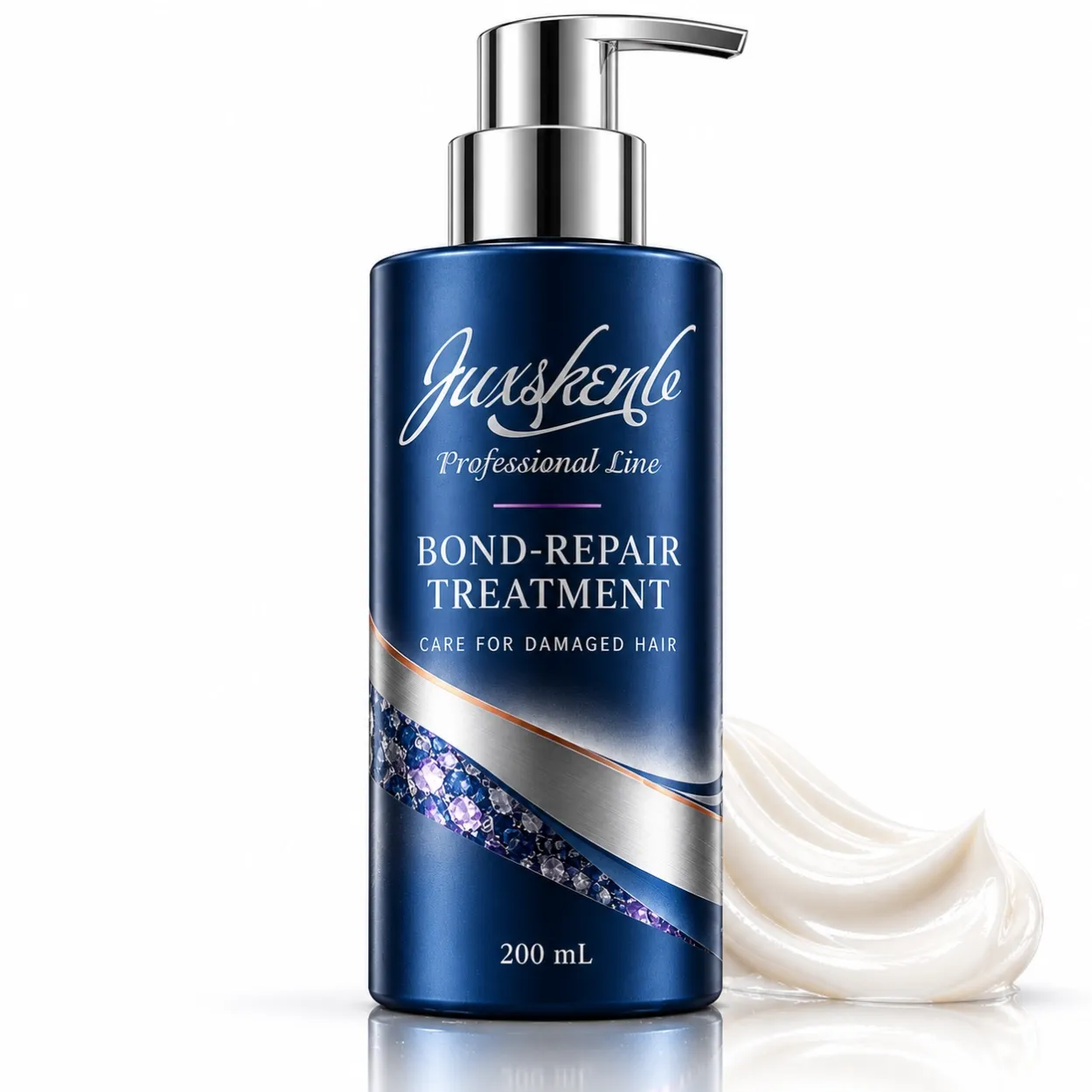
JunChun supports professional hair-care OEM/ODM projects through formula selection, sampling, packaging review and export-project coordination. Start with the Bond-Repair Treatment project and request the sample and documents relevant to your intended product.
Selected mature formulas with qualified stock packaging can start at 100 pieces per SKU. Packaging changes start at 500, subject to actual component and process minimums. Confirm formula revisions, specialist dispensing, decoration and additional assessment separately.
Frequently asked questions
Do silicones always cause buildup?
No. Consider the full system, application and cleansing routine instead of assigning the outcome to one ingredient class.
Does silicone-free guarantee easy washout?
No. The final formula still needs the relevant evaluation.
What should I include in a sample enquiry?
Send your treatment frequency, target hair types and acceptable repeat-use finish, destination country and planned quantity. Ask which current samples or development options fit those requirements.
Related products and manufacturing
Request a repeat-use repair evaluation plan
Send your treatment frequency, target hair types and acceptable repeat-use finish, destination market and quantity. Ask JunChun to identify the best current sample, pack reference and relevant report, and to separate any requested development in the quotation. Send your project brief or email info@junchunbeauty.com.
Evidence checked 21 October 2026. Suggested screens and numerical planning examples are proposals, not reproduced JunChun test results or universal acceptance standards.