Sep 5, 2026Buying Guides
Leave-In Hair Mask OEM: Lightweight Repair for Color-Treated, Curly and Heat-Styled Hair
A buyer guide to developing leave-in hair masks for color-treated, curly and heat-styled hair, covering texture, claims, testing, packaging and MOQ.
Why Leave-In Repair Is a Strong 2026 Buyer Opportunity
Leave-in treatments sit between hair care and styling: they can improve combing, reduce the look of damage, support heat-styling routines and make the hair feel more manageable without adding another rinse step. Recent hair-award coverage has emphasized leave-ins, serums and masks, while professional trend reporting continues to highlight bond repair and scalp-to-length care. For OEM buyers, the opportunity is not simply to copy a heavy rinse-off mask. It is to build a light, repeatable format for a clearly defined hair type and routine.
Choose One Primary Consumer Before Choosing Ingredients
Color-Treated and Bleached Hair
Prioritize slip, surface smoothness, reduced rough feel and protection during blow-drying. An acidic or near-hair-compatible pH direction may support a polished after-feel, but the finished formula must be tested with the selected conditioning system, fragrance and packaging.
Curly, Coily and Detangling-Focused Hair
Prioritize wet slip, curl clumping, softness and flexible definition. A richer cream can work for dense curls, while a milk or lotion may suit buyers seeking refresh and detangling without a waxy finish. Claims should reflect tested performance on relevant curl patterns.
Fine or Heat-Styled Hair
Prioritize low residue, easy distribution and touchable movement. A fine-hair brief often needs lower oil load and careful polymer selection so repair positioning does not become flatness. Heat-protection claims require a suitable test plan; ingredient presence alone is not proof.
Build the Formula Brief Around Sensory Performance
A useful brief specifies the target viscosity, application on wet or dry hair, acceptable fragrance level, desired combing result and the finish after full drying. Conditioning agents, lightweight esters, selected proteins or amino-acid derivatives, film formers and humectants can be evaluated as a system. The best combination depends on hair type, claim territory, target cost and local regulations.
Ask the laboratory to compare at least two prototypes: one lighter milk and one richer cream. Buyers can then evaluate pumpability, spread, wet combing, dry feel, shine, residue and next-day reapplication before choosing a commercial direction.
Claims and Testing Buyers Should Plan
Useful cosmetic claim territories include easier detangling, smoother feel, reduced visible frizz, improved manageability, softer ends and protection from styling-related stress. Avoid implying permanent repair of the biological hair structure. When using terms such as bond repair, heat protection or breakage reduction, define the method, hair tress and comparison control before artwork approval.
Recommended checks include stability, packaging compatibility, microbial quality, wet- and dry-combing comparison, repeated-use residue, humidity response, heat-styling protocol where relevant, and performance on the intended hair types.
Packaging and Product-Line Architecture
A 100–150 ml airless pump, lotion pump or controlled-dose tube can support a premium leave-in mask. A lighter sprayable milk may use a fine-mist or trigger format only after viscosity and spray-pattern testing. Keep instructions simple: dose by hair length, distribute through mid-lengths and ends, then style without rinsing.
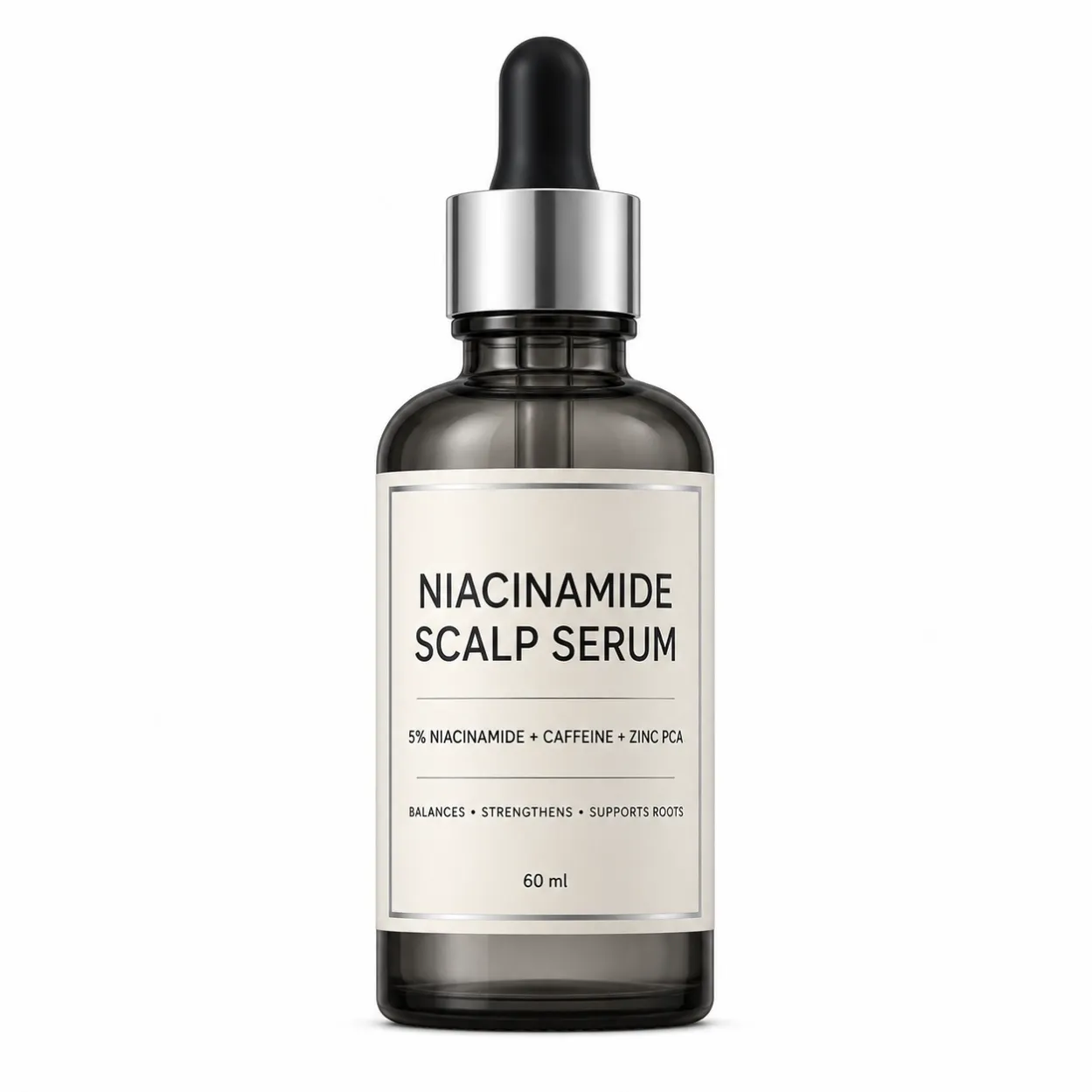
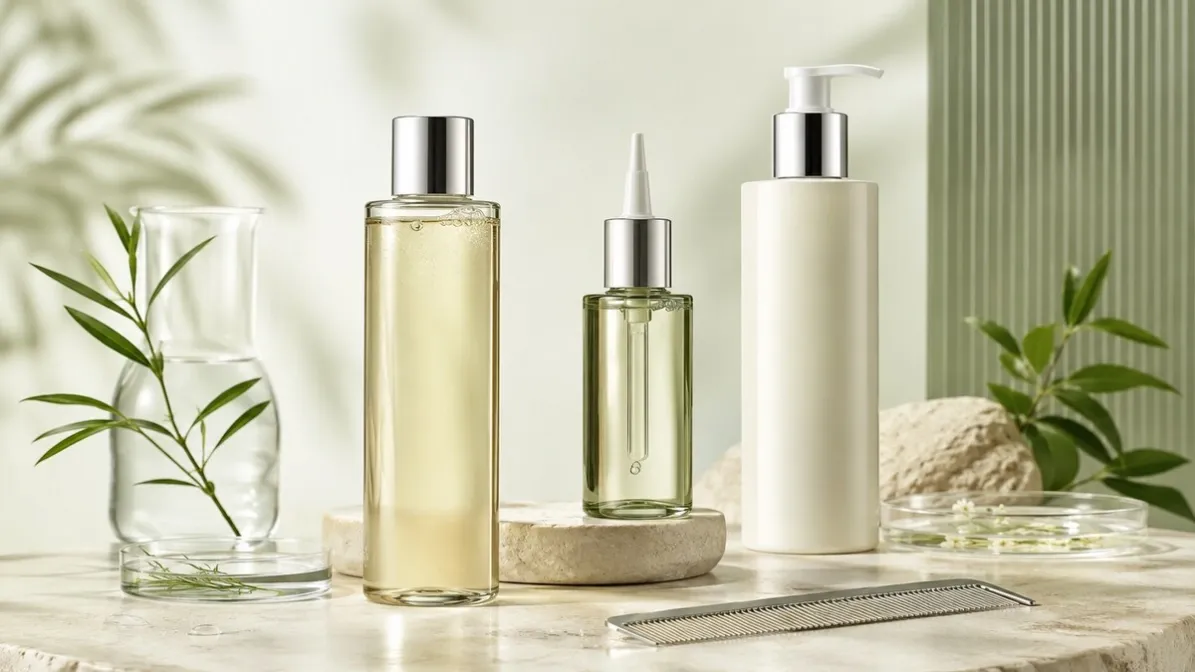
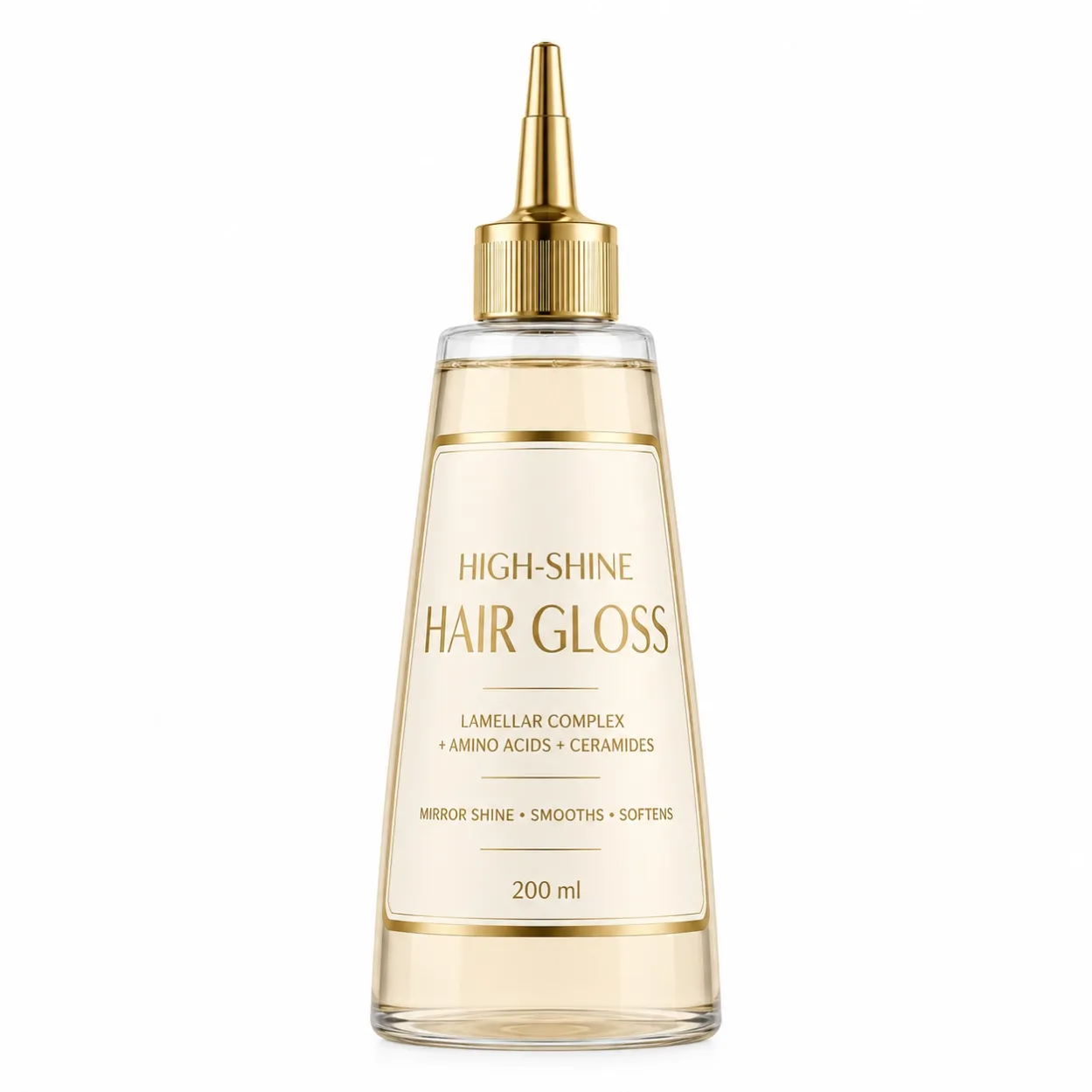
For a repair system, buyers can pair the leave-in concept with a professional bond-repair treatment and an acidic post-color mask:
MOQ and OEM Development Route
MOQ starts from 100 pcs per SKU for selected stable formulas using in-stock bottles. Custom formulas, colors, fragrances, and packaging are quoted based on project requirements. A typical development route covers benchmark review, prototype comparison, performance testing, packaging compatibility, artwork approval and production planning.
Buyer FAQ
Is a leave-in mask the same as a leave-in conditioner?
They can overlap, but a leave-in mask is usually positioned around more intensive repair, smoothing or protection. The formula must still match the desired weight and frequency of use.
Can one formula serve every hair type?
A broad-use formula is possible, but it usually weakens differentiation. Fine hair, dense curls and heavily bleached hair often need different weight, slip and residue targets.
Can you make it silicone-free?
Yes, subject to the required sensory and combing performance. Silicone-free is a formulation direction, not an automatic performance advantage.
What information is needed for a quotation?
Send the destination market, target hair type, texture preference, pack size, expected quantity, fragrance direction, benchmark product and required claims. Contact: https://www.junchunbeauty.com/contact