Sep 3, 2026Buying Guides
Hair Color Remover vs Bleach: A Professional Color-Correction Buying Guide
Compare professional hair color remover and bleach by purpose, mechanism, salon use, testing, claims and OEM portfolio planning.
Hair color remover and bleach are not interchangeable. A professional color remover is designed primarily to reduce or remove deposited artificial color, while bleach lightens natural and artificial pigment through a stronger oxidative lightening process. The correct choice depends on the client's color history, target shade and hair condition.
What is the difference between hair color remover and bleach?
A color remover is used in corrective services when the main goal is to reduce unwanted oxidative dye molecules or prepare hair for recoloring. Many professional systems use two steps that are mixed or applied according to a defined protocol.
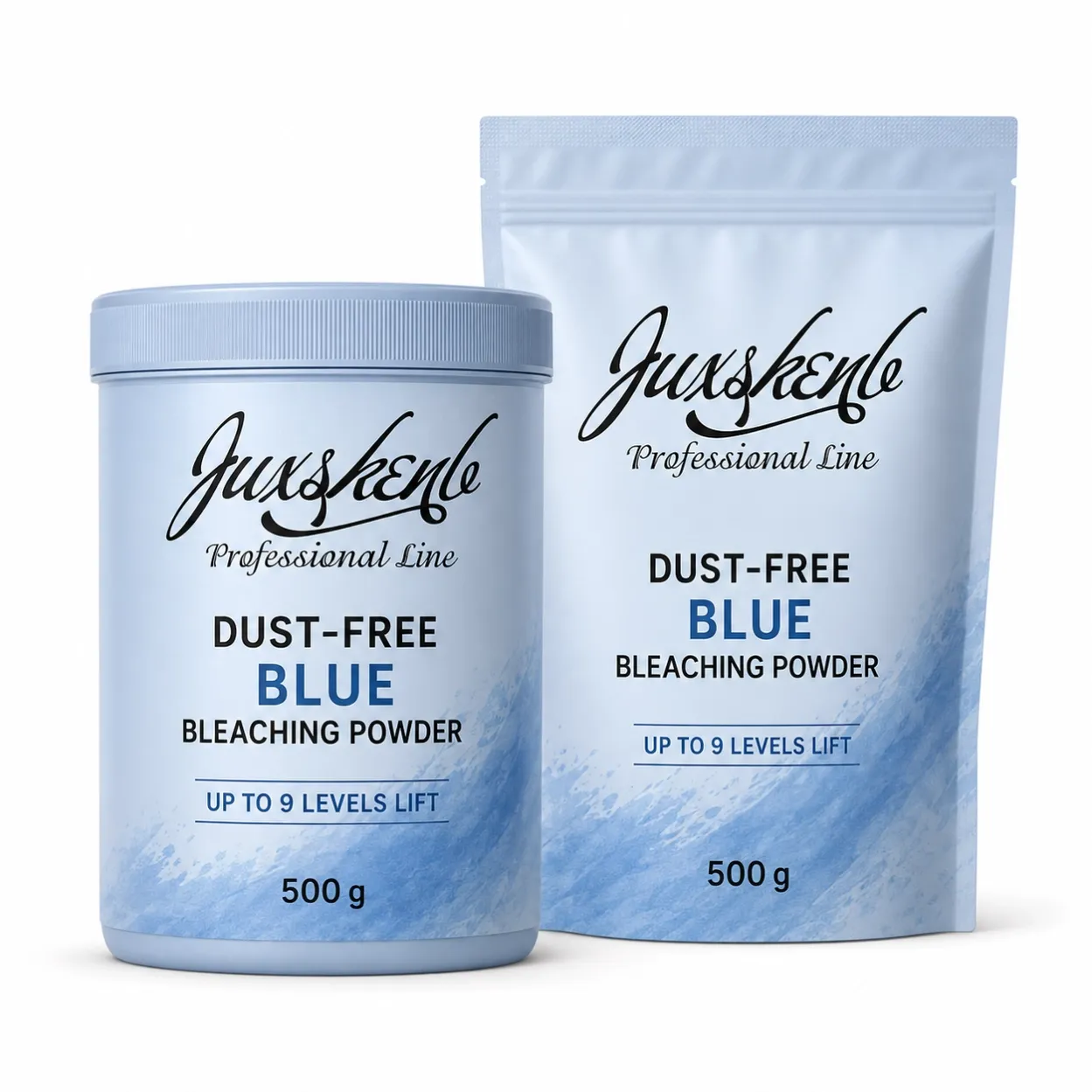
Bleach powder is a lightening product used with a compatible developer to lift natural melanin and, depending on the case, artificial pigment. It can deliver greater lift, but it also requires stricter control of strength, timing, application and aftercare.
When should a salon consider a color remover?
A color remover can be appropriate when a client wants to:
- Reduce accumulated permanent or oxidative color
- Correct an overly dark result
- Prepare for a shade change without automatically targeting maximum lift
- Remove color bands before a new technical service
- Conduct a controlled strand test before deciding whether bleach is necessary
It does not guarantee a return to the natural virgin shade. Results depend on the dye history, pigment type, number of previous applications and condition of the hair.
When is bleach the more suitable tool?
Bleach may be required when the target involves meaningful lightening of natural pigment, high-lift blonding, highlights or removal beyond the capability of a reducing color remover. Buyers sourcing bleach should evaluate lift performance, dust behavior, mixing consistency, swell, processing window and compatibility with 10, 20, 30 or 40 Vol cream developer.
Junchun offers both standard custom-color bleach powder and premium 9-level Polyamino anti-breakage bleach powder for different salon and distributor positions.
What should an OEM color remover system include?
A credible private-label color remover needs more than attractive packaging. Buyers should define:
- One-step or two-step professional protocol
- Target dye types and realistic removal expectations
- Mixing ratio, processing time and rinsing instructions
- Strand-test and incompatibility warnings
- Residual odor management
- Follow-up recoloring guidance
- Professional-use positioning
- Packaging that prevents component confusion
For a two-step system, Step 1 and Step 2 must be clearly differentiated on the bottle, carton and instructions. Formula compatibility and stability must be evaluated as a complete system.
How should performance be tested?
Useful prototype testing includes standardized dyed tresses, controlled application weight, timed processing, rinse protocol and color measurement or consistent photography. The test should compare:
- Untreated dyed control
- Color remover system
- Selected bleach and developer system
- Hair feel after rinsing
- Re-darkening risk after oxidation exposure
- Compatibility with subsequent recoloring
A dramatic single photograph is not sufficient evidence. Buyers should ask how the tress was prepared and whether the same lighting and processing conditions were used.
How do you reduce breakage risk in a correction portfolio?
No professional product can make all correction services damage-free. A better commercial system combines accurate diagnosis with controlled products and aftercare. Consider a portfolio containing:
- Two-step color remover
- Standard and premium bleach options
- Compatible developer strengths
- Bond-support concentrate
- Acidic post-color mask
- Chelating treatment for mineral-heavy markets
- Porosity equalizer before recoloring
After intensive services, acidic post-color repair mask can be positioned for softness, detangling and pH-balancing care without making medical or permanent-repair claims.
MOQ and customization
Professional color-removal systems are normally quoted as coordinated projects. Mature formula and stock packaging options may support lower development risk, while exclusive bottles, cartons, formula changes and market-specific testing increase MOQ and lead time. The commercial quotation should specify whether pricing covers both components, closures, labels, cartons and instructions.
Frequently asked questions
Can color remover lift natural hair pigment?
Its main role is artificial oxidative color reduction. It should not be marketed as a replacement for bleach when natural melanin lift is required.
Can clients recolor immediately?
That depends on the system, the removal result and strand testing. Professional instructions should explain rinsing, oxidation checks and when recoloring is appropriate.
Is bleach always faster?
Not necessarily. Performance depends on the target, formula, developer, application and hair history. Faster processing is not automatically safer or better.
Can one OEM factory coordinate the full correction system?
Yes, and this can improve packaging consistency, compatibility planning, documentation and repeat ordering. Each formula still requires its own testing and market review.
Source a professional correction portfolio
View our professional beauty products, learn about Junchun manufacturing capabilities, or request an OEM/ODM project review.