Sep 8, 2026Buying Guides
Hair Care Sample Approval Checklist: Formula, Packaging, Claims and Scale-Up
A buyer checklist for approving hair-care samples, packaging, claims and production standards before private-label scale-up and mass manufacturing.
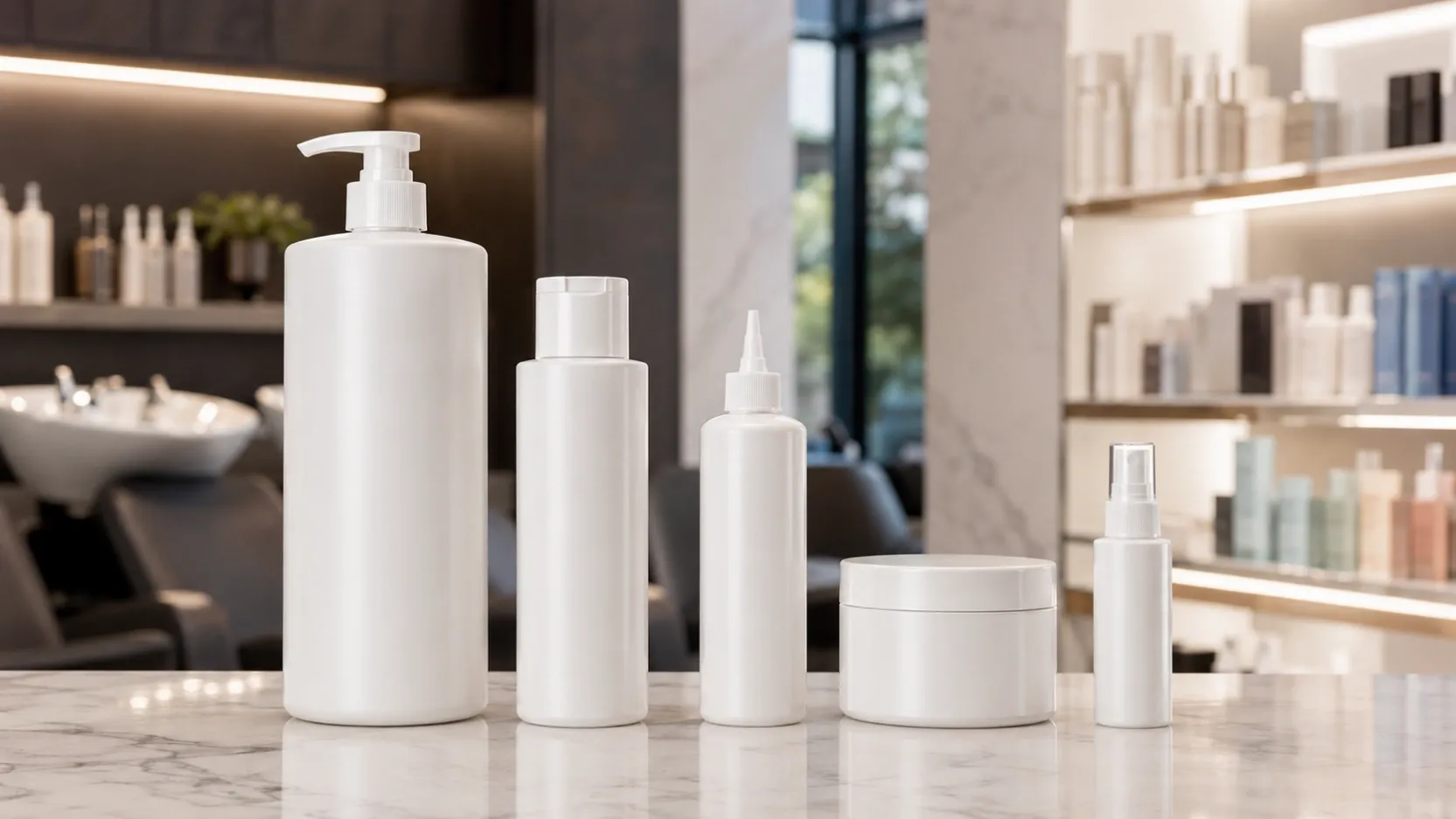
A hair-care sample should be approved as a controlled production reference, not simply because it smells good or feels acceptable once. Effective approval covers formula identity, sensory performance, target-hair results, packaging function, stability and microbiological planning, claims, artwork and scale-up tolerances.
Define the sample purpose before testing
State whether the sample is for formula selection, fragrance adjustment, packaging compatibility, color matching, claim evaluation or final production approval. Record the sample code, date, formula version and packaging used. If different reviewers test different versions without codes, their feedback cannot be compared reliably.
Evaluate the formula against a written scorecard
For shampoo, consider appearance, fragrance, viscosity, dispensing, foam build, rinse speed, scalp feel and after-wash combing. For conditioner and masks, review spread, slip, detangling, rinse feel, wet combing, dry softness, weight, shine and residue. Leave-in products may also require drying time, layering, heat-styling behavior and next-day feel.
Test on the intended hair profile and routine
A result on one person is not enough for a commercial decision. Test the product on hair types and conditions that represent the target buyer, such as fine, coarse, curly, bleached, color-treated, high-porosity or oily-scalp profiles. Use the intended amount and routine, and compare against a benchmark where possible.
Separate immediate sensory results from validated claims
Softness, slip and fragrance can be screened quickly, but strong claims may require instrumental, consumer, salon or other appropriate evidence. Agree on the exact claim wording before deciding the testing method. Avoid changing a supported cosmetic statement into a medical or absolute claim during artwork development.
Approve formula and packaging as one system
The final sample should be evaluated in the intended bottle, closure or sprayer. Confirm output per actuation, clogging, leakage, cap security, dip-tube reach, bottle recovery, label adhesion and product appearance over time. Fragrance, solvents, surfactants, oils and pigments can interact with seals or packaging materials.
Agree on stability and microbiological controls
The plan should reflect the formula, packaging, intended shelf life and destination conditions. Ask what stability, compatibility, microbiological or challenge-testing work is appropriate and when results will be available. Do not assume a positive short-term sensory test replaces quality and safety evaluation.
Create a golden sample and signed specification
After approval, keep a sealed reference sample and controlled specification. Record appearance, odor, color, viscosity or other relevant limits, pH where applicable, fill weight, packaging components, artwork version and acceptance criteria. Both buyer and manufacturer should know which version governs production.
Plan for production scale-up
A laboratory sample and production batch may experience different mixing, heating, cooling, transfer and filling conditions. Confirm which attributes are critical, how the first bulk batch will be checked and what happens if it sits outside the approved range. Changes to raw materials, fragrance, color or packaging should follow written review and approval.
Use a final pre-production gate
Before production, confirm the approved formula, component codes, decoration, label copy, claims, net content, carton, coding location, destination documents, inspection plan and shipment configuration. Unresolved items should be listed with an owner and due date rather than being left to production day.
Buyer FAQ
How many sample rounds are normal?
The number depends on the development route and clarity of the brief. A selected stable formula may need only confirmation, while custom fragrance, texture or performance work can require several controlled rounds.
Can a photo or video approve a sample?
Visual records are useful, but they cannot confirm odor, feel, dispensing or target-hair performance. Final approval should be based on the physical sample and a written specification.
Should the final formula be tested in the final bottle?
Yes. Packaging compatibility and dispensing are part of product performance, so the intended formula-component combination should be reviewed before mass production.
What if production differs from the approved sample?
Compare the batch with agreed specifications and the retained reference. Investigate meaningful differences before release, document the decision and do not accept unapproved changes informally.
Prepare your sample brief
Send your target hair profile, product format and sample goals: https://www.junchunbeauty.com/contact