Sep 4, 2026Buying Guides
Fall 2026 Copper Hair Color: Shade Planning for Salon Brands and Distributors
A professional OEM guide to copper, cinnamon and auburn hair colors, covering shade tests, developer compatibility, aftercare and the 20,000-tube MOQ.
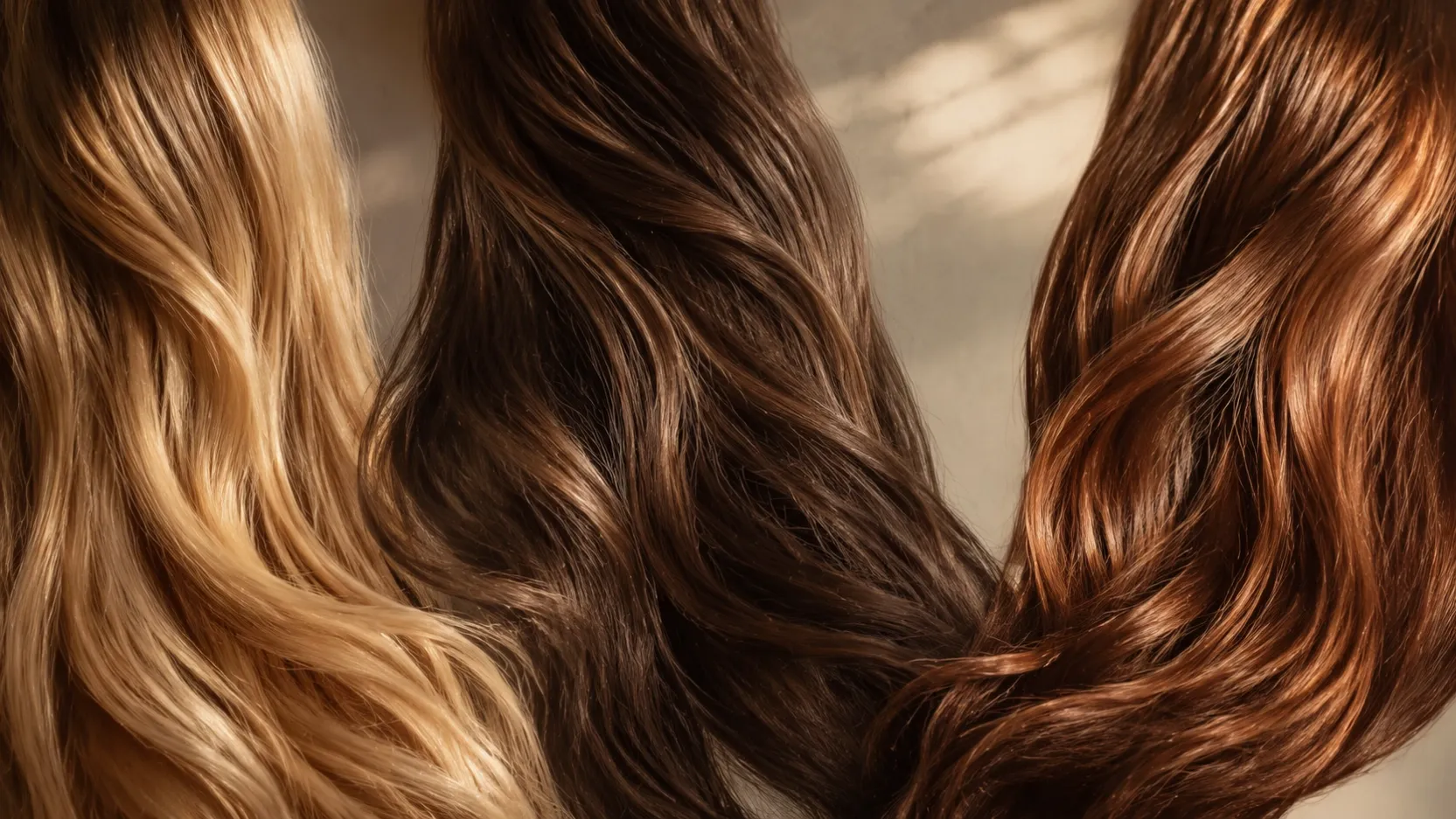
Fall 2026 hair-color coverage is converging on warmer, richer and more dimensional shades, with copper, cinnamon, auburn and red-brown families appearing across professional publications and social platforms. For salon brands and distributors, the opportunity is not one fashionable tube. It is a controlled shade family supported by swatches, developer compatibility, technical education and realistic production planning.
Why Copper Is a Commercial Salon Opportunity
Current fall-trend reporting from Allure, Wella Professionals and social coverage summarized by Happi Magazine points to warm, dimensional color rather than flat orange-red.
For a professional line, this creates demand for several coordinated outcomes:
- soft strawberry or baby copper;
- natural level 7–8 copper-gold;
- deeper cinnamon and terracotta;
- copper-brown for more wearable warmth;
- rich auburn and red-copper;
- gloss or toner options for maintenance.
Trend data can guide a launch, but final shade selection must reflect the distributor’s market, salon education level, base-hair conditions and repeat-order potential.
Build a Shade Family, Not a Single Viral Color
A useful copper capsule can be organized by depth and tonal bias.
Light Copper and Copper Gold
These shades can create brightness on suitable pre-lightened or naturally lighter bases. They require careful control of warmth and transparency.
Natural Copper
A balanced copper at medium depth can be the commercial center of the collection. It should be evaluated on natural and previously colored tresses.
Copper Brown and Cinnamon
Brown support can make the result more wearable for clients who want warmth without an intense orange result. This segment can suit salons moving from brunette services into seasonal copper.
Auburn and Red Copper
Deeper shades can add richness and stronger red reflection. Fade pattern and maintenance recommendations should be part of the technical story.
Correctors and Mix Tones
Professional users may need copper, red, gold or neutral correctors. These should be launched only with a clear mixing chart and technical education.
Substrate Determines the Final Result
The same formula does not produce the same visual result on every head. R&D and technical teams should test the selected shades on standardized tresses representing:
- different natural levels;
- resistant gray percentages;
- pre-lightened hair;
- porous mid-lengths and ends;
- previously colored bases.
Brands should not advertise a universal “before and after.” Shade charts need a defined starting level, developer strength, mixing ratio and processing time.
Developer Compatibility Is Part of the System
Permanent color cream should be evaluated with the intended cream developer, not treated as a standalone product. The technical dossier should confirm:
- recommended mixing ratio;
- appropriate developer strengths;
- application and processing time;
- viscosity after mixing;
- lift and deposit expectations;
- scalp-use warnings and professional-use instructions;
- compatibility across the approved shade family.
A color brand may use 10, 20, 30 or 40 volume developer options where permitted and technically appropriate, but not every strength is suitable for every service. Final instructions must follow the approved system and target-market rules.
Copper Fade and Aftercare Strategy
Warm red and copper dyes can require frequent maintenance. That is a commercial reason to build supporting SKUs:
- color-safe shampoo;
- acidic post-color treatment;
- bond-care mask;
- copper or warm-toned depositing mask;
- gloss or toner;
- heat and UV care for color-treated hair.
This turns a seasonal shade launch into a professional service system. Buyers can also review our guide to hair color remover versus bleach for correction planning.
Product and Packaging Configuration
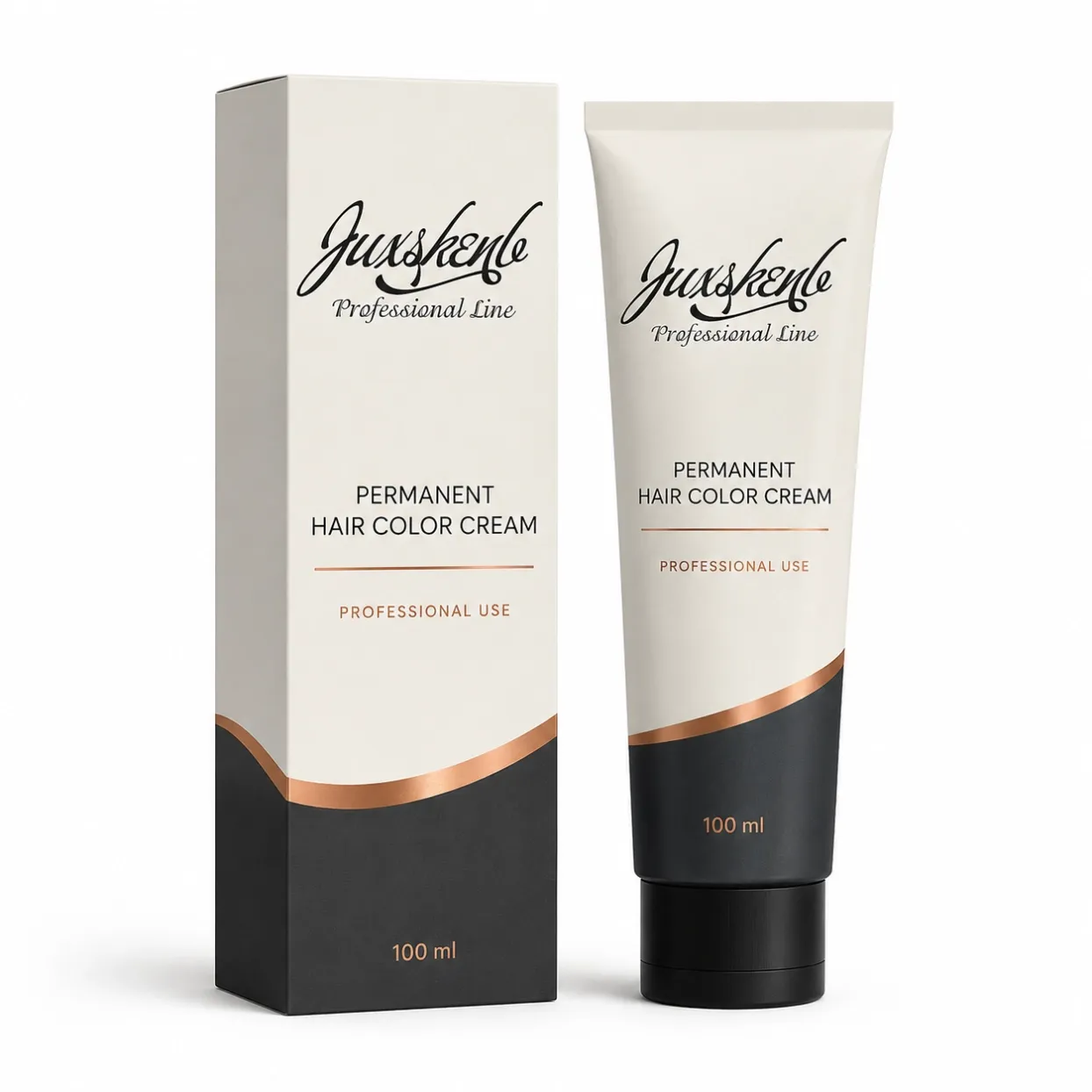
Professional color cream is commonly packed in aluminum or suitable laminate tubes with secondary cartons. Artwork should clearly distinguish shade code, shade name, series, net content, mixing ratio and professional-use warnings.
A premium professional identity can use:
- one consistent tube and carton architecture;
- large, readable shade codes;
- tonal color bands for families;
- multilingual instructions for the actual target market;
- batch and expiry coding planned before print;
- a physical swatch chart or digital shade guide supported by real test results.
Claims, ingredients and warnings must be reviewed before printing. AI-generated shade swatches should never replace laboratory tress evaluation.
Junchun Hair Color MOQ
For fully customized professional permanent hair color, Junchun’s actual project structure is:
- 20,000 tubes total for a customized hair color project;
- minimum 900 tubes per approved shade;
- final number of shades depends on total allocation, packaging and formula confirmation.
This is a higher-MOQ professional project, not a 100-piece stock-formula program. The advantage is that 900 tubes per shade can support a broader salon color chart within the overall 20,000-tube production plan.
A Practical Launch Plan
Phase 1: Market and Salon Brief
Define priority channels, target clients, existing competitor shades, desired price tier and annual volume.
Phase 2: Shade Selection
Choose a commercial core plus copper capsule. Avoid overloading the first run with shades that have no salon demand evidence.
Phase 3: Lab and Tress Evaluation
Approve base formula, developer pairing, swatches, processing instructions and color retention expectations.
Phase 4: Packaging and Technical Materials
Finalize tube, carton, shade coding, color chart, instructions and market-specific warnings.
Phase 5: Pilot Education and Scale
Train distributor educators and selected salons, collect feedback on shade accuracy and application, then use repeat-order data to refine the portfolio.
Europe, UK, Middle East and US Considerations
Hair dyes require careful ingredient and warning review. Requirements differ by market and product type. For EU/UK projects, the responsible regulatory process may include CPSR, PIF, Responsible Person coordination and notification requirements. For Middle East distribution, multilingual labeling and local registration documents may be needed. In the United States, product classification and claims should be reviewed carefully; FDA registration must not be described as product approval.
The exact document set is confirmed per formula, shade, market and distributor requirements.
Factory Capability
Guangzhou Junchun Cosmetic Limited manufactures professional hair care, skincare and body care. The factory has 24 years of experience and 28 production lines, with GMP, ISO 22716, FDA registration and HALAL certification. Hair-color projects are supported by formula development, shade testing, compatible developer planning, packaging, quality control and export documentation.
Explore the broader professional salon product range, learn about our factory, or request a hair color project assessment.
Buyer FAQ
Is copper one shade?
No. Copper may be light, golden, natural, brown-based, red-based or deep auburn. A useful range defines level and tonal direction.
Can we order only 900 tubes total?
No. The customized project structure is 20,000 tubes total, with a minimum of 900 tubes per approved shade.
Can every copper shade cover gray hair?
Gray-coverage performance depends on the formula, shade depth, natural-base support, developer and test substrate. It must be confirmed through the approved system.
Do you provide a shade chart?
Shade-chart development can be discussed as part of the project. Final swatches should be based on controlled tress tests, not only digital color.
Can the same developer be used for all services?
A coordinated developer system can support the line, but strength and instructions vary by desired lift, deposit and hair condition. The approved technical guide controls use.
What should a buyer send for a quotation?
Send target countries, desired number of shades, tube size, annual forecast, packaging reference, developer plan and launch date through the contact page.