Sep 3, 2026Material Notes
Ectoin & Ceramide Barrier Rescue Serum: Private Label Skincare OEM Guide
Develop a private-label ectoin and ceramide barrier serum for climate-stressed skin with compliant claims, testing, packaging and MOQ planning.
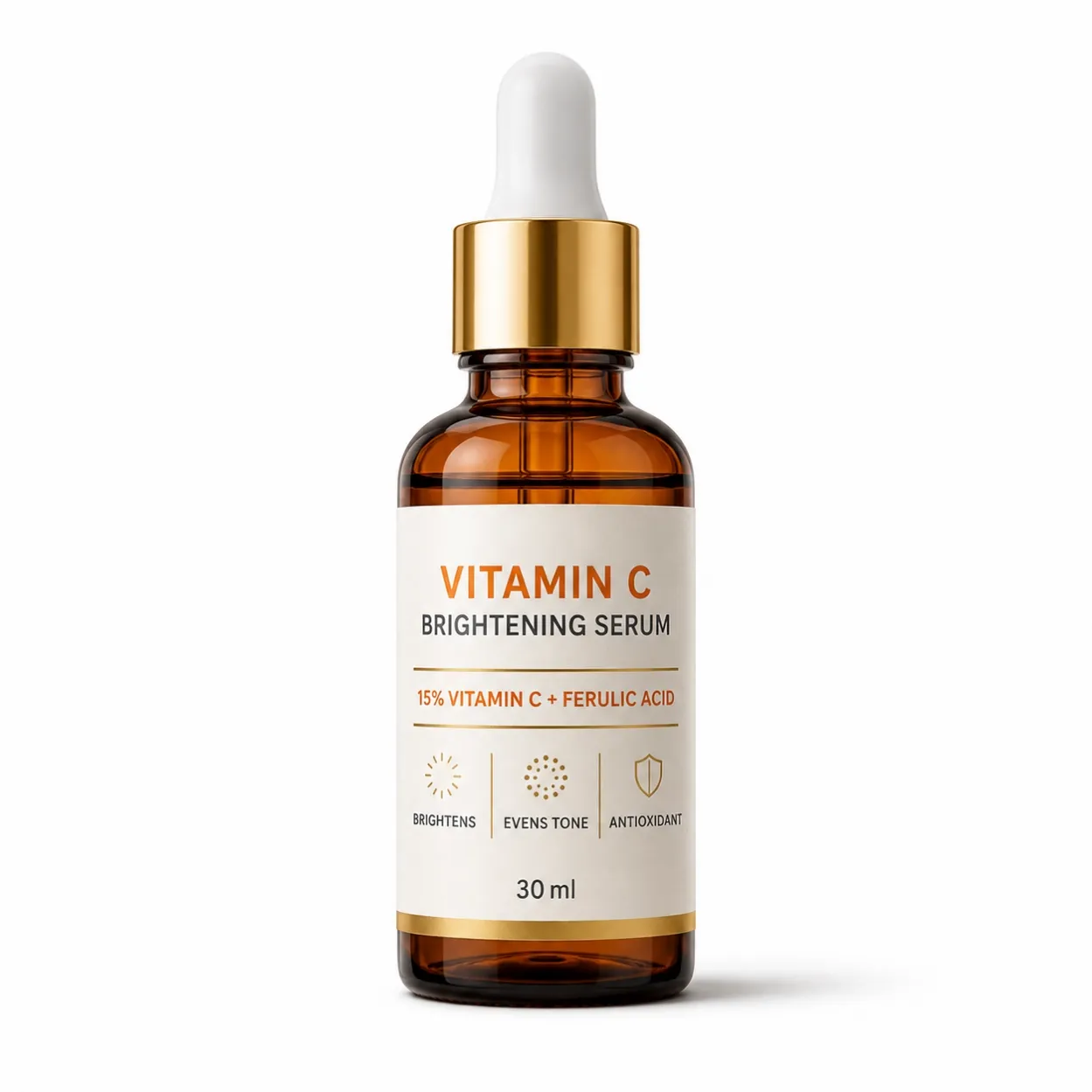
An ectoin and ceramide barrier serum is a lightweight skincare product designed to support hydration, comfort and a healthier-looking skin barrier. It is especially relevant for consumers exposed to dry air, air conditioning, temperature changes or overcomplicated routines, but it must be positioned with cosmetic rather than medical claims.
Why is barrier-focused skincare commercially relevant?
Beauty consumers are moving toward simpler, science-led routines and familiar actives with clear functions. A barrier serum can serve as the concentrated treatment step between cleanser and moisturizer while avoiding aggressive exfoliation or exaggerated transformation claims.
For brands, the opportunity is broader than sensitive-skin messaging. The same platform can be adapted for hot and dry Middle Eastern climates, cold European seasons, travel kits, post-sun comfort routines and fragrance-free minimalist collections.
What does ectoin contribute to the formula concept?
Ectoin is used in cosmetic formulas as a skin-conditioning and moisture-support ingredient. In a well-designed serum, it can support a calm, hydrated and comfortable skin feel. It should not be presented as a drug treatment or as proof that the finished product cures eczema, dermatitis or other conditions.
Ceramides complement the concept by supporting barrier-focused positioning. Because ceramides can be challenging to disperse and stabilize, buyers should evaluate the actual raw-material system, delivery format and finished-product testing rather than relying only on a front-label percentage.
Recommended ingredient architecture
A balanced private-label formula may combine:
- Ectoin for skin-conditioning and hydration support
- Ceramide complex for barrier-care positioning
- Panthenol for comfort and conditioning
- Beta-glucan for a soothing skin feel
- Sodium hyaluronate for water-binding hydration
- Glycerin or betaine as controlled humectants
- Lightweight emollients if a serum-emulsion texture is preferred
- A suitable preservative system and pH adjustment
The final INCI order and percentages depend on the approved manufacturing formula and supplier specifications.
Gel serum or milky serum?
A clear or translucent gel serum communicates freshness and light layering. A milky serum can better express nourishing barrier care while remaining lighter than a cream. The right choice depends on market climate, packaging and retail positioning.
For hot climates, buyers often prefer quick absorption and low tack. For colder or very dry markets, a slightly richer serum-emulsion can improve after-feel. Both versions should be tested under realistic temperature conditions.
What claims are commercially strong and safer?
Appropriate cosmetic directions include:
- Supports skin hydration
- Helps reduce the feeling of dryness and tightness
- Leaves skin feeling calmer and more comfortable
- Supports a healthy-looking skin barrier
- Lightweight daily serum for climate-stressed skin
- Suitable for fragrance-free or sensitive-skin-positioned routines
Avoid disease claims and avoid stating that the product repairs the barrier in a clinically proven way unless suitable finished-product evidence supports the exact wording.
Packaging recommendations
Airless pumps and treatment pumps can reduce repeated product exposure and create a premium clinical look. Common retail sizes include 30 ml and 50 ml. For travel or discovery sets, 10–15 ml can support sampling, but component availability should be checked before artwork begins.
The product page for our Private Label Ectoin Barrier Rescue Serum outlines a mature starting direction. Selected mature formulas with stock packaging may begin from 100 units per SKU. Custom formula development, exclusive packaging, bottle color, screen printing and additional testing are quoted by project and normally require higher quantities.
Testing and documentation buyers should request
Depending on formula and destination market, the development plan may include:
- Stability and packaging compatibility
- Microbiological quality testing
- Preservative efficacy or challenge testing
- Product specification and full INCI
- COA and SDS where applicable
- Claims substantiation for any measured performance statements
- CPSR, PIF and CPNP preparation for EU projects
- UK Responsible Person and notification planning for Great Britain
Requirements differ by product, formula and market. Selected existing products may already have supporting files, while a new customization requires its own compliance review.
Frequently asked questions
Is ectoin suitable for daily use?
It is widely used in daily cosmetic products, but final suitability depends on the complete formula, use level, testing and intended consumer.
Can the serum be fragrance-free?
Yes. Fragrance-free positioning is often appropriate for barrier-care concepts, subject to raw-material odor and formula review.
Can niacinamide be added?
It can be considered, but the use level, pH, sensitivity positioning and compatibility with the full system should be evaluated.
Is CPNP a certification?
No. CPNP is the EU cosmetic product notification portal. Notification is one part of market compliance and does not replace the CPSR, PIF, Responsible Person or compliant labeling.
Start a barrier-care skincare project
Explore our OEM/ODM development services and contact Junchun Beauty for formula, packaging and destination-market planning.