Aug 28, 2026
How to Build Climate-Adapted Hair Care for Humid and Hot-Dry Markets
An OEM/ODM buyer guide to adjusting cleansing, conditioning, anti-frizz, heat-care, fragrance and packaging for humid and hot-dry markets.
How to Build Climate-Adapted Hair Care for Humid and Hot-Dry Markets
The same hair-care formula does not automatically fit Southeast Asian humidity, Gulf heat, air-conditioned interiors and dry European winters. Climate-adapted development starts with the consumer environment, hair texture and channel—not a generic “global” claim.
Humid-Market Hair Problems
High humidity can increase frizz, style collapse, sticky product feel and scalp oil perception. Buyers often need controlled cleansing, lightweight conditioning, anti-humidity film formers, faster drying and fragrances that remain fresh without becoming heavy.
Hot-Dry Market Hair Problems
Strong sun, heat, low outdoor humidity and constant air conditioning can contribute to dry-feeling lengths, static, color fade and brittle-feeling ends. Product briefs may prioritize moisturization, heat-care positioning, antioxidant support, smoother combing and non-greasy shine.
How Should Shampoo Differ?
A humid-market shampoo may focus on balanced cleansing and low residue. A hot-dry formula may use a milder cleansing route with stronger conditioning support. Sulfate-free is not automatically better; the surfactant system should match buildup, scalp oil, styling habits and hair damage.
How Should Conditioner and Leave-In Care Differ?
Humid climates usually benefit from lightweight anti-frizz conditioning and controlled film formation. Hot-dry markets may require stronger humectant balance, emollient support, anti-static care and heat-protection positioning. Too much oil can reduce acceptance in either market.
Fragrance and Packaging Decisions
Gulf markets may value refined, persistent fragrance, while high-humidity markets often prefer clean freshness. Fragrance must still be evaluated for formula compatibility and target-market compliance. Fine-mist pumps require leakage and spray-pattern testing under transport and heat exposure.
Recommended Climate-Specific Portfolio
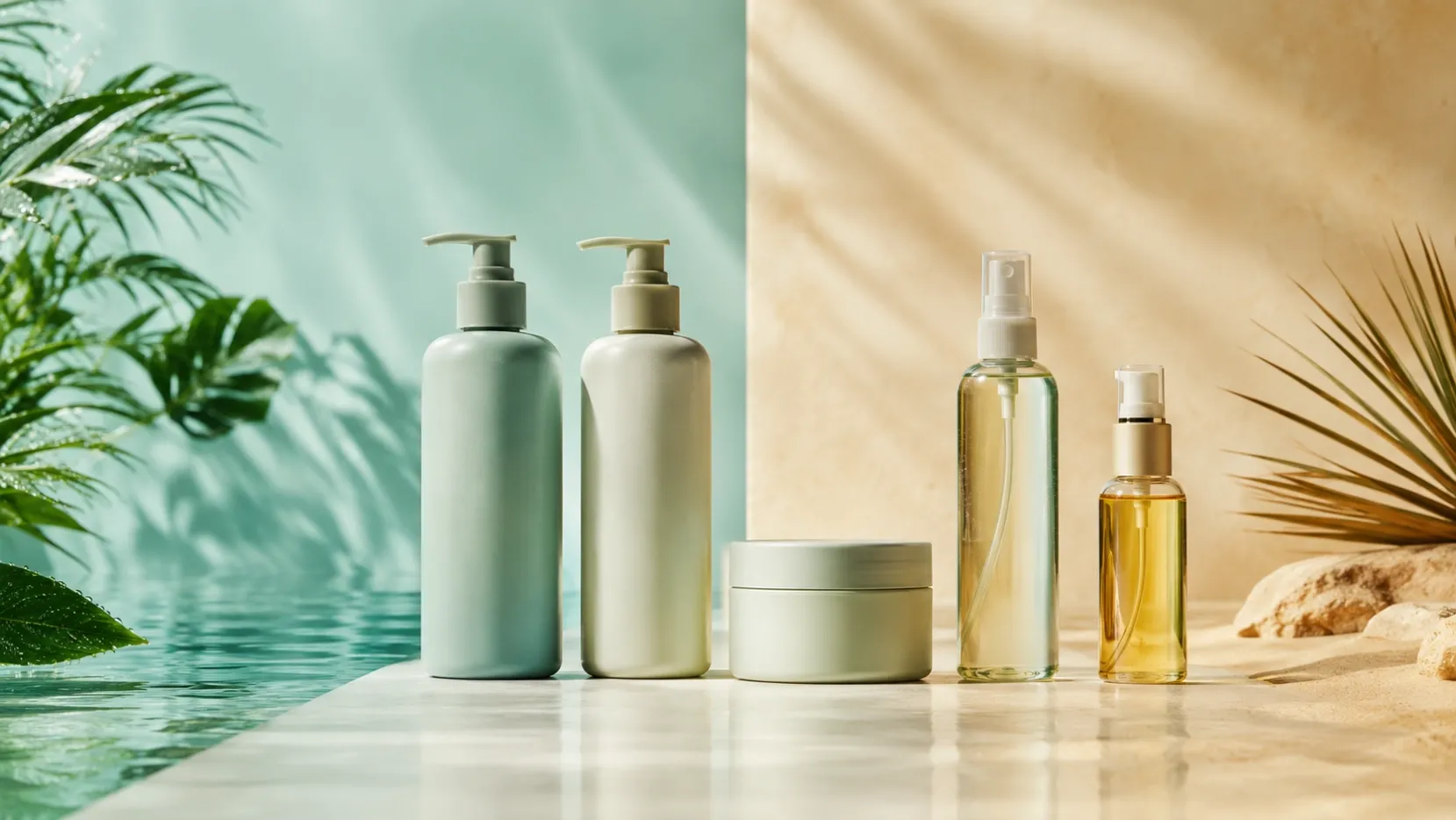
Humid route: balanced shampoo, lightweight conditioner, anti-frizz spray and flexible styling product.
Hot-dry route: gentle shampoo, repair mask, heat-and-UV-focused mist and lightweight hair oil.
Cross-market route: one shared base with adjusted fragrance, conditioning level and hero claims where technically feasible.
Buyer Checklist
• Target country and season
• Hair textures and chemical-treatment habits
• Water quality and wash frequency
• Humidity, heat and indoor air-conditioning exposure
• Desired fragrance profile
• Retail, salon or e-commerce channel
• Required testing, documentation and label languages
• MOQ and launch timing
Frequently Asked Questions
Can one formula serve both humid and hot-dry markets?
Sometimes, but performance priorities differ. A shared base with market-specific adjustments is often more credible.
Does anti-frizz mean waterproof?
No. Anti-frizz positioning should be defined and tested under appropriate humidity conditions.
Can a heat mist also claim UV protection?
Hair UV claims depend on the selected ingredients, wording and evidence. Heat-care performance does not automatically prove UV protection.
How should brands choose package sizes?
100–150ml suits travel and trial mists; 250–400ml suits retail shampoo and conditioner; larger sizes support salon backbar.
What should be tested?
Combability, frizz response, residue, heat performance, fragrance stability, packaging leakage and formula stability should match the final brief.
Develop for the Market, Not Just the Category
Junchun Beauty supports climate-focused hair-care programs across shampoo, conditioner, masks, mists, oils and styling. Send the destination market, hair type, channel, quantity and target claims for a practical OEM/ODM route.