Bond-Repair OEM Evidence: What Wet Combing and Tensile Tests Actually Answer
Evaluate bond-repair OEM evidence by separating combing, tensile and appearance endpoints. Request a relevant finished-product comparison before using claims.
JunChun Beauty Editorial Team · Updated 21 October 2026
Direct answer: Wet-combing and tensile tests answer different questions. Combing assesses handling under a defined procedure; tensile testing assesses mechanical behaviour of fibres. Neither result alone establishes every bond-repair mechanism or the complete customer experience.
Begin with the claim you want to support
A buyer may want easier detangling, reduced breakage under a defined routine or a specific structural mechanism. Name the intended claim before selecting the study. Otherwise a convenient result can be promoted as evidence for a different, broader benefit.
Read the method before the headline
Request the hair substrate and damage preparation, treatment amount, comparison group, repetitions and assessment conditions. Ask whether a conditioner base was included where appropriate. Those details help separate the contribution of the complete formula from the ingredient narrative.
Include the practical routine
Pair technical evidence review with sensory evaluation at the intended application stage. A measurable result does not automatically establish a pleasant finish or manageable dose. Conversely, immediate slip does not establish stronger fibres or permanent restoration.
Ask for an evidence-ready sample proposal
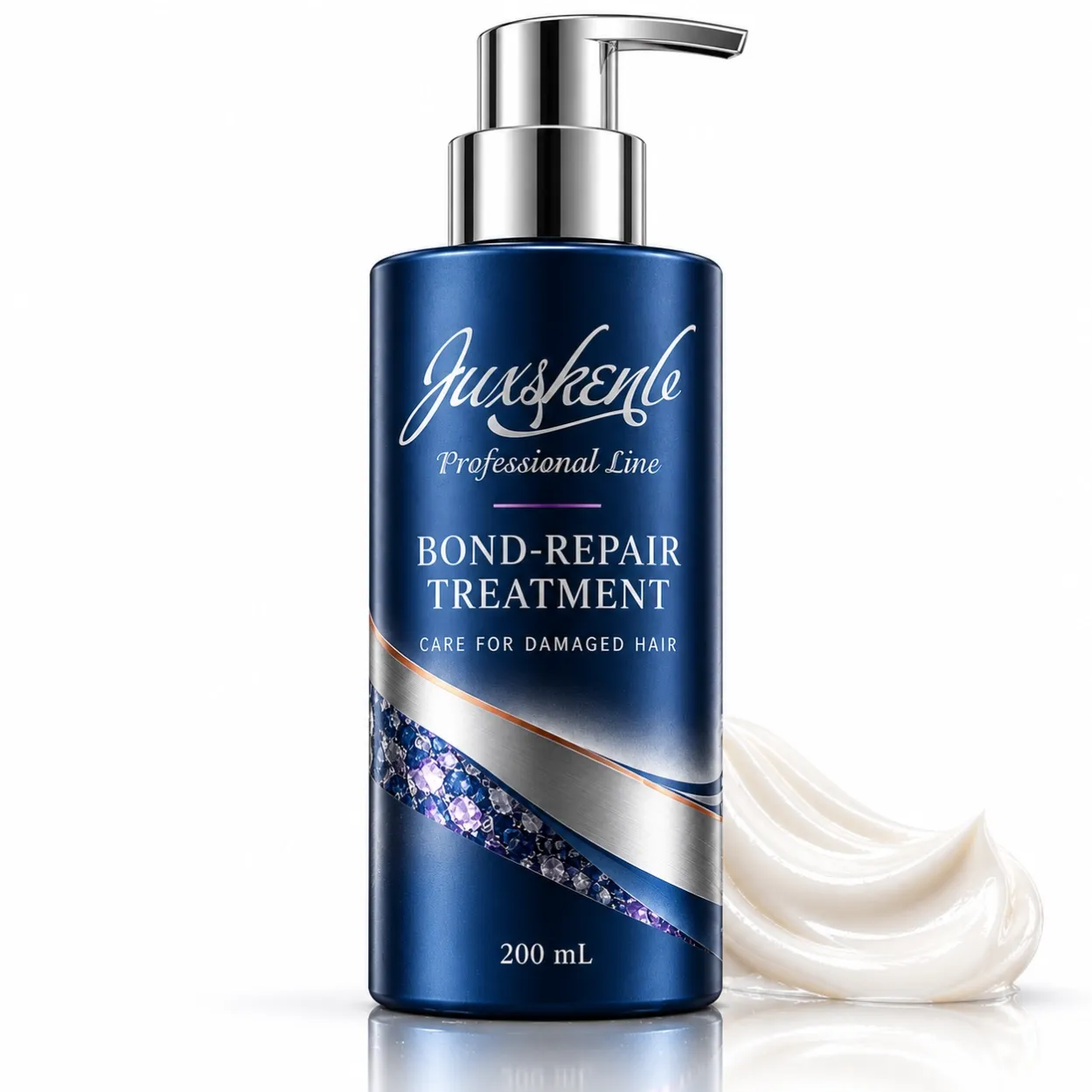
Identify the approved sample and the exact claim question. JunChun’s bond-care project page can begin the product discussion; any mechanism, percentage or durability wording must follow relevant finished-product support. Supplier technologies are examples to assess, not evidence that the current product uses them.
A practical evidence matrix
Use separate lines for wet-combing force, dry movement, repeated-use residue and any proposed mechanical-strength endpoint. Ask what happens after the intended rinse or cleansing cycle. If the claim concerns internal bond chemistry, request an appropriate mechanism assessment; neither a smooth cuticle image nor lower combing resistance answers that question alone.
Build a short report-to-claim map
For easier detangling, identify combing force or work, the tress preparation and the application routine. For fibre strength, identify the tensile endpoint, wet or dry state and how fibre dimensions were handled. For repeated-stress resistance, ask whether the study measured cyclic fatigue rather than a single extension to break. These are distinct questions. State which existing JunChun report and sample code address the requested benefit, and quote extra study work only where the project requires it.
Three scope decisions before commissioning extra work
First, decide whether the buyer is comparing against untreated damaged hair, the base formula or an external product; these are different comparisons. Second, agree whether the result is required after one approved use or after a defined wash sequence. Third, ask how independent tresses and fibres are distributed across the groups. A large fibre count should not obscure a very limited set of hair sources or treatment replicates.
A practical buying decision
| Decision point | What to request or compare |
|---|---|
| Combing | Request the handling endpoint and method. |
| Tensile | Request fibre preparation and mechanical endpoint. |
| Mechanism | Request evidence that addresses the specific proposed claim. |
Product and project route
JunChun supports professional hair-care OEM/ODM projects through formula selection, sampling, packaging review and export-project coordination. Start with the Bond-Repair Treatment project and request the sample and documents relevant to your intended product.
Selected mature formulas with qualified stock packaging can start at 100 pieces per SKU. Packaging changes start at 500, subject to actual component and process minimums. Confirm formula revisions, specialist dispensing, decoration and additional assessment separately.
Frequently asked questions
Does easier wet combing prove rebuilt disulfide bonds?
No. Improved handling does not establish that chemical mechanism.
Can a raw-material tensile result substantiate the finished mask?
It provides context, but the finished-product claim needs appropriate support for its actual formula and use.
What should I include in a sample enquiry?
Send your proposed repair claim, target damage profile and available evidence requirements, destination country and planned quantity. Ask which current samples or development options fit those requirements.
Related products and manufacturing
Request the bond-care report-to-claim map
Send your proposed repair claim, target damage profile and available evidence requirements, destination market and quantity. Ask JunChun to identify the best current sample, pack reference and relevant report, and to separate any requested development in the quotation. Send your project brief or email info@junchunbeauty.com.
Sources and scope
- Croda Beauty: biomimetic bond-builder insights — Published 2025-05-23; updated 2026-09-21; checked 2026-10-21.
- Dia-Stron: complementary single-fibre and tress testing — July 2022 URL archive; checked 2026-10-21.
Evidence checked 21 October 2026. Suggested screens and numerical planning examples are proposals, not reproduced JunChun test results or universal acceptance standards.