Sep 15, 2026Buying Guides
Beautyworld Middle East 2026: 12 Questions for Hair Care OEM Suppliers
A practical 12-question meeting agenda for distributors comparing hair care OEM suppliers at Beautyworld Middle East 2026 in Dubai.
Beautyworld Middle East 2026 will bring international beauty buyers, salon professionals, brands and manufacturers to Dubai World Trade Centre from 6–8 October. For distributors, the most useful supplier meeting is a structured comparison of formula fit, packaging, documents, MOQ and repeat-order readiness.
The Short Answer for Buyers
Bring a written market brief, select two or three priority product formats, and ask every OEM/ODM supplier the same operational questions. This makes quotations comparable and helps separate an attractive sample from a scalable commercial project.
1. Which Products Match Our Channel?
Explain whether you sell through salon distributors, beauty stores, pharmacies, ecommerce or mixed channels. A 300ml retail shampoo, a 500ml treatment mask and a 1000ml salon backbar product may need the same performance direction but different packaging, price targets and instructions.
2. Is the Formula Stable or Fully Custom?
Ask whether the proposal uses a selected stable formula, a semi-custom route or a new custom formula. The answer changes sample timing, testing scope, MOQ and cost. Stable formulas support faster market tests; custom projects suit distinctive texture, fragrance, ingredients or claims.
3. Which Packaging Is Actually in Stock?
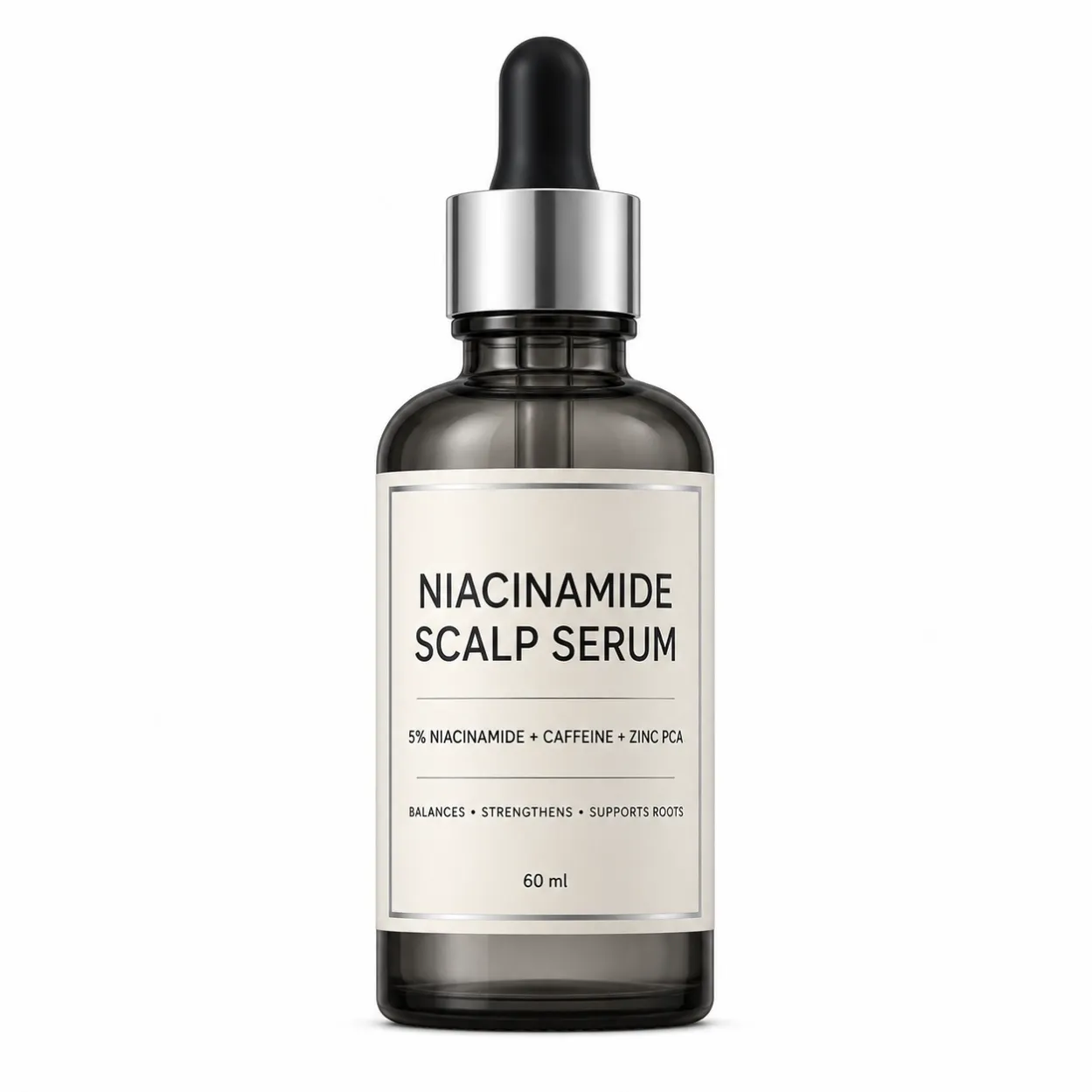
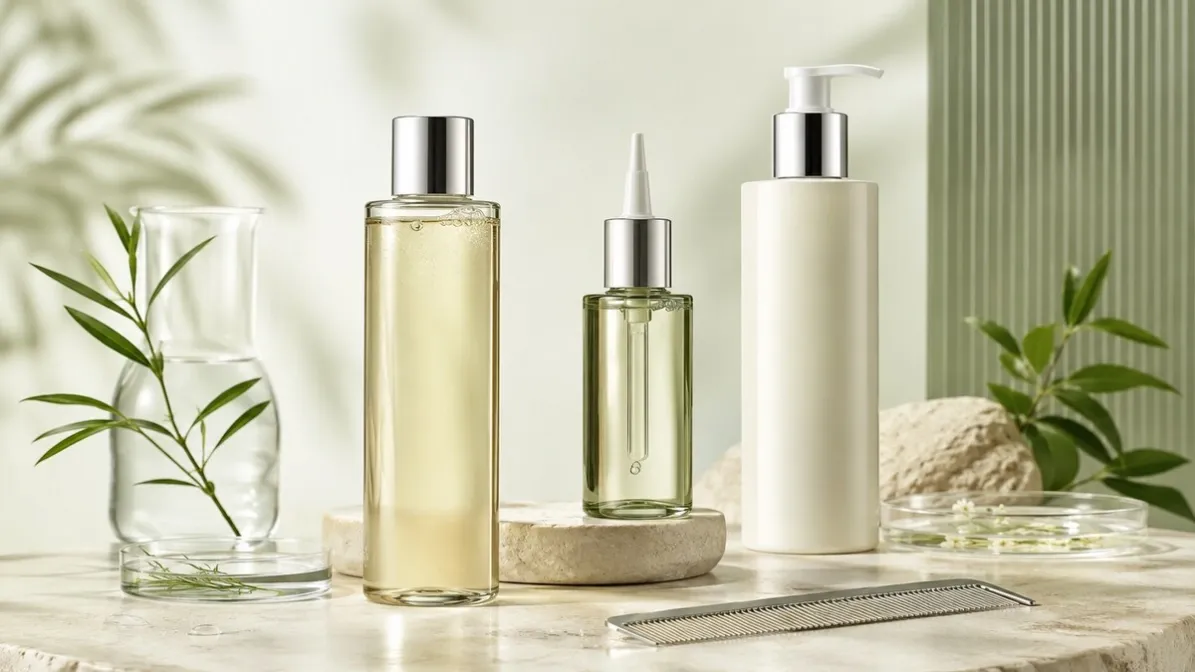
Check bottle, pump, sprayer, cap and label availability. Request the exact fill volume, neck finish, decoration route and component lead time. For mists and scalp serums, spray pattern or applicator flow should be tested with the final formula.
4. What MOQ Applies to This Exact SKU?
MOQ should be confirmed by formula, bottle, decoration and color. MOQ starts from 100 pcs per SKU for selected stable formulas using in-stock bottles. Custom formulas, colors, fragrances, and packaging are quoted based on project requirements.
5. Which Claims Need Evidence?
Separate sensory language from measurable performance claims. Smoothness, shine, detangling, heat care, color maintenance, scalp comfort and anti-frizz positioning may require different test designs. An ingredient does not automatically prove a finished-product benefit.
6. Which Documents Support the Target Market?
Tell the supplier where the product will be sold. Ask which manufacturing, ingredient, safety and batch documents can be provided, and which market-specific assessments remain the buyer’s responsibility. Label language and claim rules vary by destination.
7. How Will We Approve Fragrance and Texture?
Agree on a sample feedback method. Score fragrance opening, dry-down, intensity, texture, spread, foam, rinse feel and residue. Written scoring is more useful than “make it more premium” because the factory can translate it into measurable changes.
8. Can Retail and Salon Sizes Share One Formula?
A coordinated 300ml retail size and 1000ml professional size can support sell-through and salon credibility. Confirm whether viscosity works with both dispensers and whether the backbar format needs different directions, cost structure or carton strength.
9. What Is the Development Timeline?
A practical schedule begins after formula direction, packaging, artwork and commercial terms are approved. Selected programs may move into production in approximately 14–20 working days after approval, while custom development and special packaging require a project-specific timeline.
10. How Is Packaging Compatibility Tested?
Ask about leakage, pump output, sprayer performance, label adhesion, transportation and storage. Hot-climate markets make component compatibility especially important. A formula that works in a lab bottle can behave differently in a decorated production package.
11. How Are Repeat Orders Controlled?
Discuss retained samples, batch records, color and fragrance references, incoming-material checks and reorder lead time. Distributors should know how an approved first order becomes a repeatable second and third order.
12. What Happens After the Exhibition?
Leave the meeting with a written next step: selected samples, target price, packaging, destination market, expected quantity and decision date. A focused follow-up brief prevents a trade-show conversation from becoming a vague email chain.
A Practical Three-SKU Meeting Brief
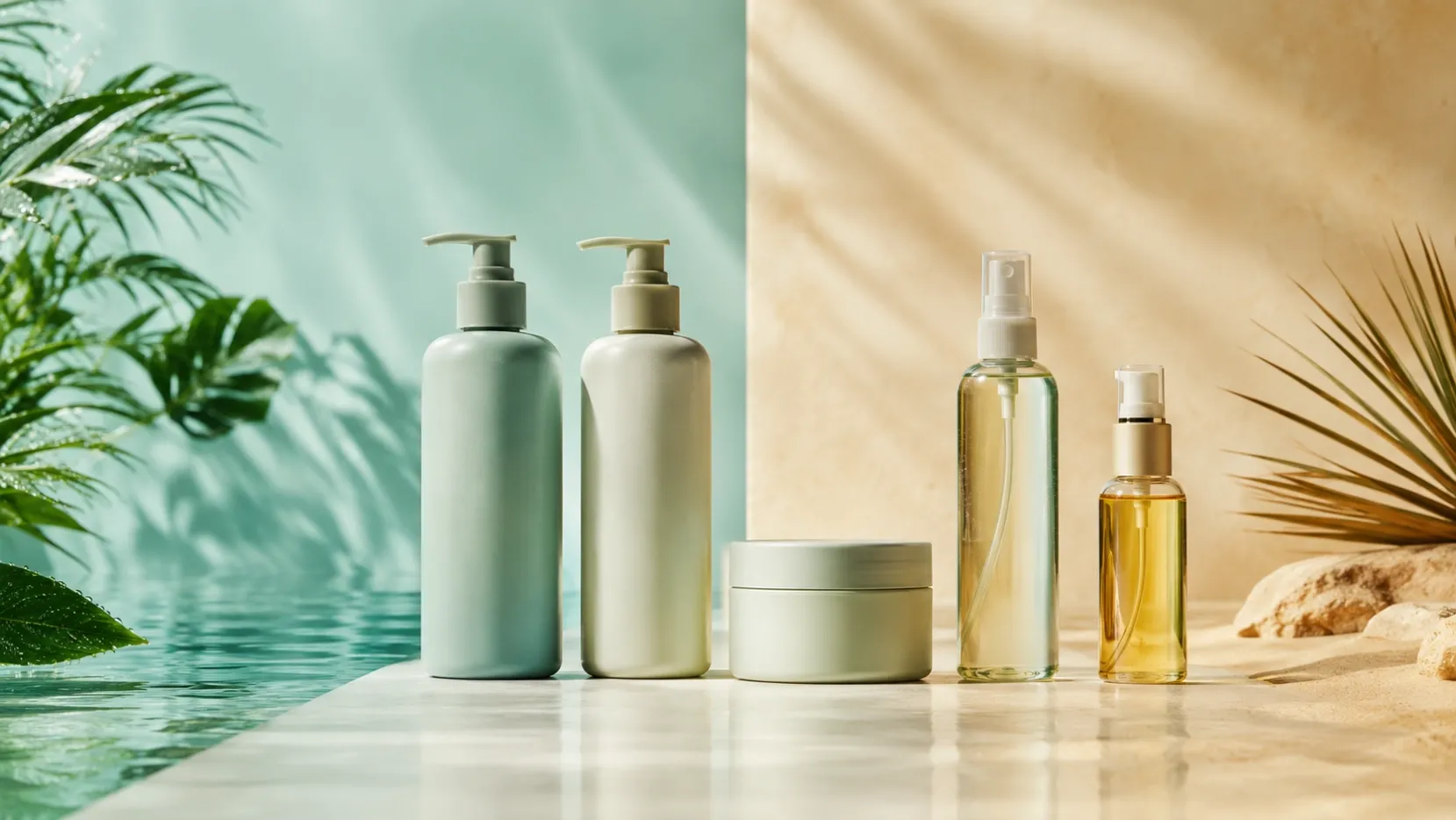
For hair-care-first buyers, compare one cleansing product, one treatment product and one leave-in product. A climate-adapted shampoo, repair mask and lightweight mist are easier to test than a ten-SKU launch and give the supplier enough information to discuss texture, fragrance, packaging and channel roles.
Buyer FAQ
Should buyers request prices before choosing packaging?
A preliminary range is possible, but a dependable quotation needs the formula route, fill size, packaging and quantity.
Can a supplier quote one MOQ for every product?
Not accurately. MOQ depends on the selected formula and packaging route.
What should a buyer bring to a Dubai supplier meeting?
Bring destination markets, sales channels, target products, fill sizes, quantity range, desired claims, packaging references and a target launch window.
Can Junchun Beauty prepare samples for a distributor review?
Yes. Sample scope, formula routes, packaging and documentation are confirmed against the project brief before approval.
Related OEM Options
Climate Balance Shampoo: https://www.junchunbeauty.com/products/private-label-climate-balance-shampoo
Molecular Repair Hair Mask: https://www.junchunbeauty.com/products/private-label-molecular-repair-mask