Aug 30, 2026
How to Launch a 250ml Rosemary & Batana Strengthening Shampoo in African Markets
A practical private-label guide to launching a 250ml Rosemary and Batana strengthening shampoo with stock packaging, low MOQ and scalable documentation.
How to Launch a 250ml Rosemary & Batana Strengthening Shampoo in African Markets
For an emerging hair-care brand, the first shampoo must be commercially clear, affordable to test and easy to reorder. A 250ml Rosemary and Batana strengthening shampoo is a strong pilot concept for African markets because it connects scalp care, moisture, breakage reduction and a recognizable botanical story.
Recommended Product Positioning
The most credible positioning is a regular-use shampoo for dry, weak, breakage-prone and textured hair. It should gently cleanse the scalp and hair, help remove product buildup, reduce roughness and tangling, and improve softness and manageability.
A cosmetic shampoo should not promise guaranteed hair growth or treatment of a medical condition unless the exact formula, evidence and destination-market rules support that claim.
Formula Direction
A sulfate-free system can combine mild surfactants with glycerin, betaine and panthenol for moisture support. Hydrolyzed rice protein or another suitable protein can support stronger-looking hair. Rosemary extract provides a scalp-care botanical direction, while Batana oil supports nourishment and shine.
For markets or consumers concerned about harsh cleansing, the formula may be positioned as silicone-free and with no added sodium chloride, subject to the final approved formula.
250ml Packaging Strategy
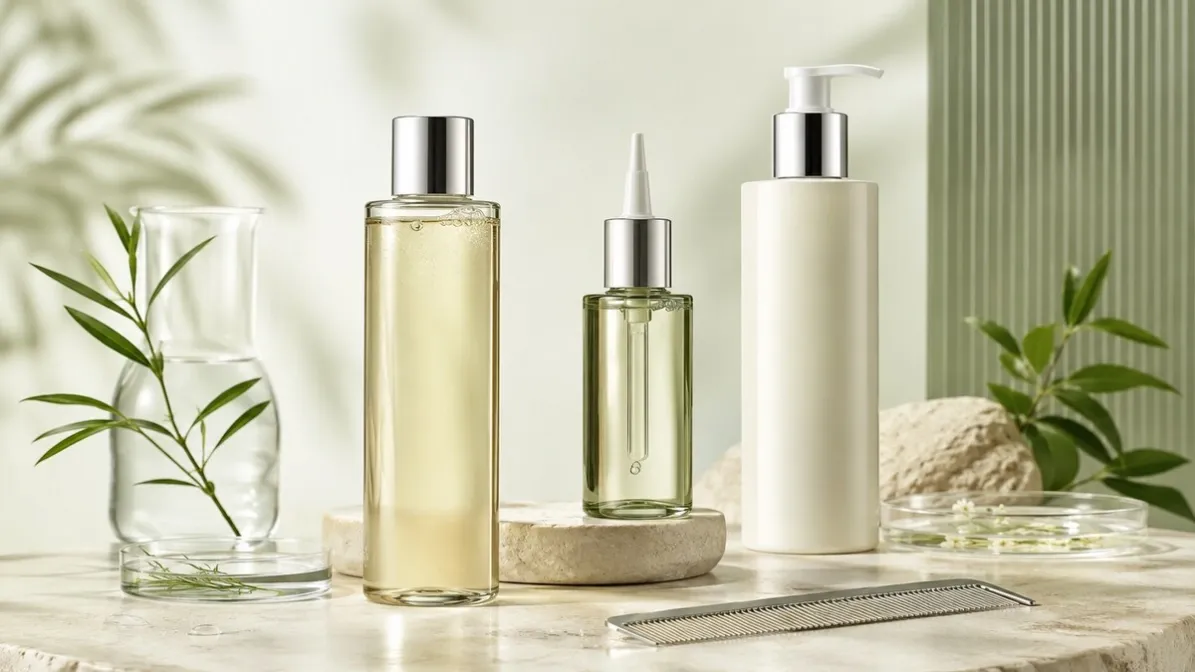
For 100–300 bottles, stock packaging is usually the most efficient route. Suitable options include PET or HDPE bottles with a flip-top cap, disc-top cap or pump. Transparent, amber, white and black formats may be available depending on inventory.
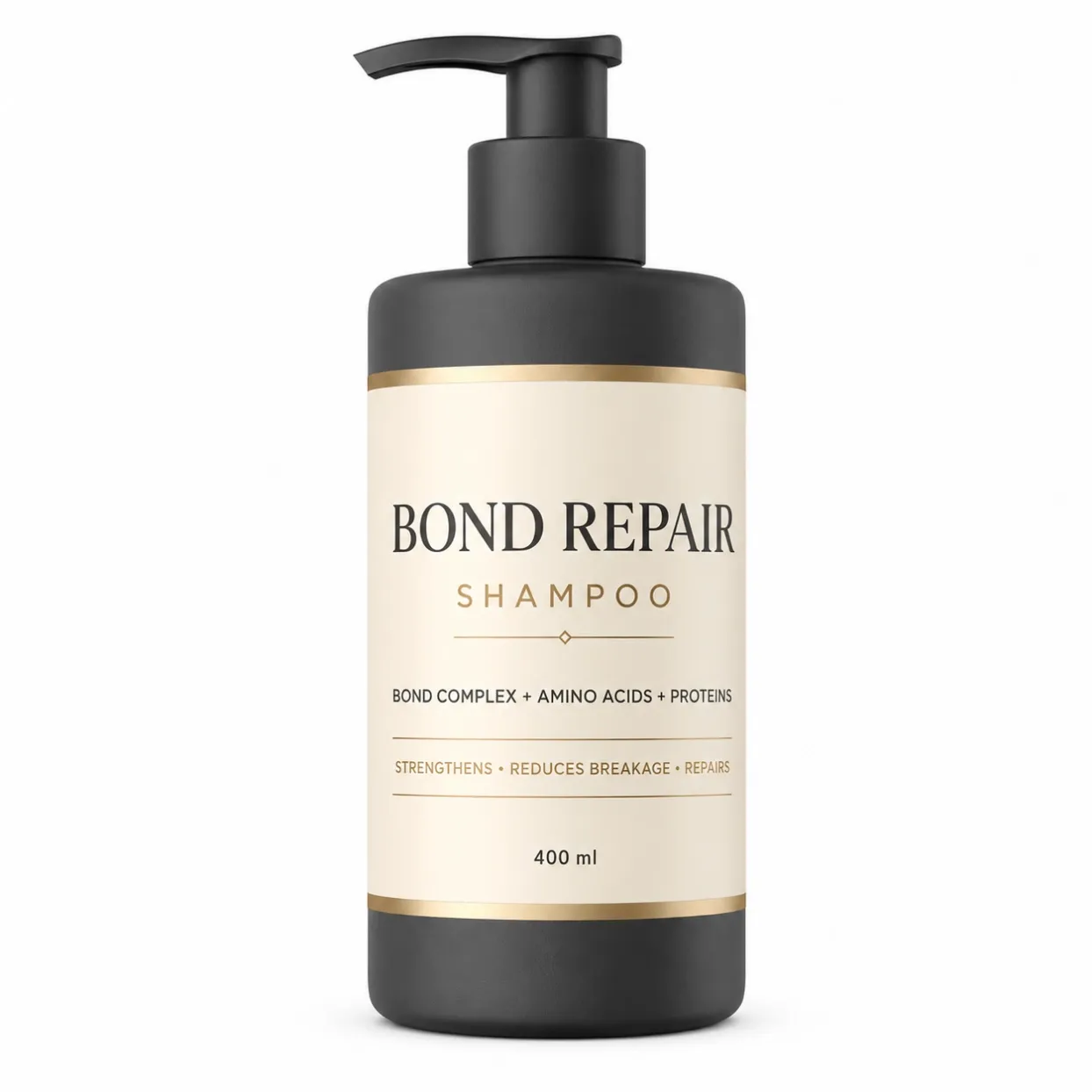
A customized waterproof label can include the brand logo, product name, directions, INCI list, warnings, country of origin, batch information and local distributor details. Fully custom bottles, colors or printing normally require a higher MOQ.
Low-MOQ Launch Plan
• Sample the exact mature formula intended for production
• Select an available 250ml bottle and closure
• Confirm fragrance, color and viscosity
• Approve label dimensions and artwork
• Lock the approved sample and formula specification
• Produce an initial 100–300 bottle pilot
• Scale to 500 or 1,000 bottles after market validation
Quality and Documentation
Available documentation may include GMP and ISO 22716 certificates, product specification, INCI, COA, SDS/MSDS and microbiological testing, subject to the order and document scope. A Free Sale Certificate can be provided where applicable. Destination-market registration requirements should be reviewed before shipment.
FAQ
Can the MOQ start from 100 bottles?
Yes, when using a mature formula, available stock packaging and customized label.
Will the 250ml bottle, cap or pump and filling be included?
They can be included in the quoted finished-product price when the selected stock packaging is confirmed.
Will the sample match bulk production?
The sample should be from the same approved formula intended for bulk production. Any later adjustment must be documented and re-approved.
How long does production take?
Typical bulk production is 14–20 working days after sample, artwork, packaging and payment confirmation.
Can the brand scale later?
Yes. The approved formula, fragrance, packaging reference and quality specifications can be retained for repeat orders.